
Last updated September 24, 2026
Free in-home measure and quote - PGT, CGI and CWS impact lines compared on your actual openings, style by style
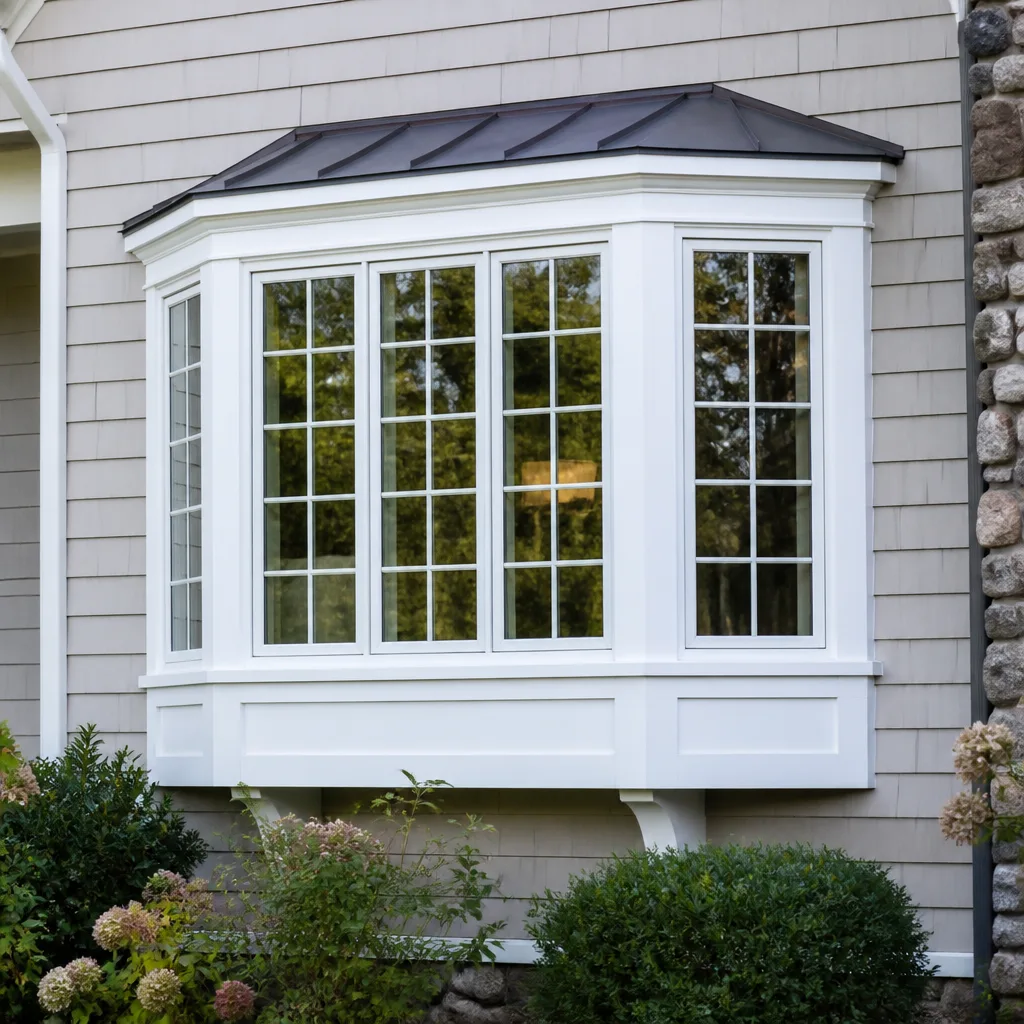
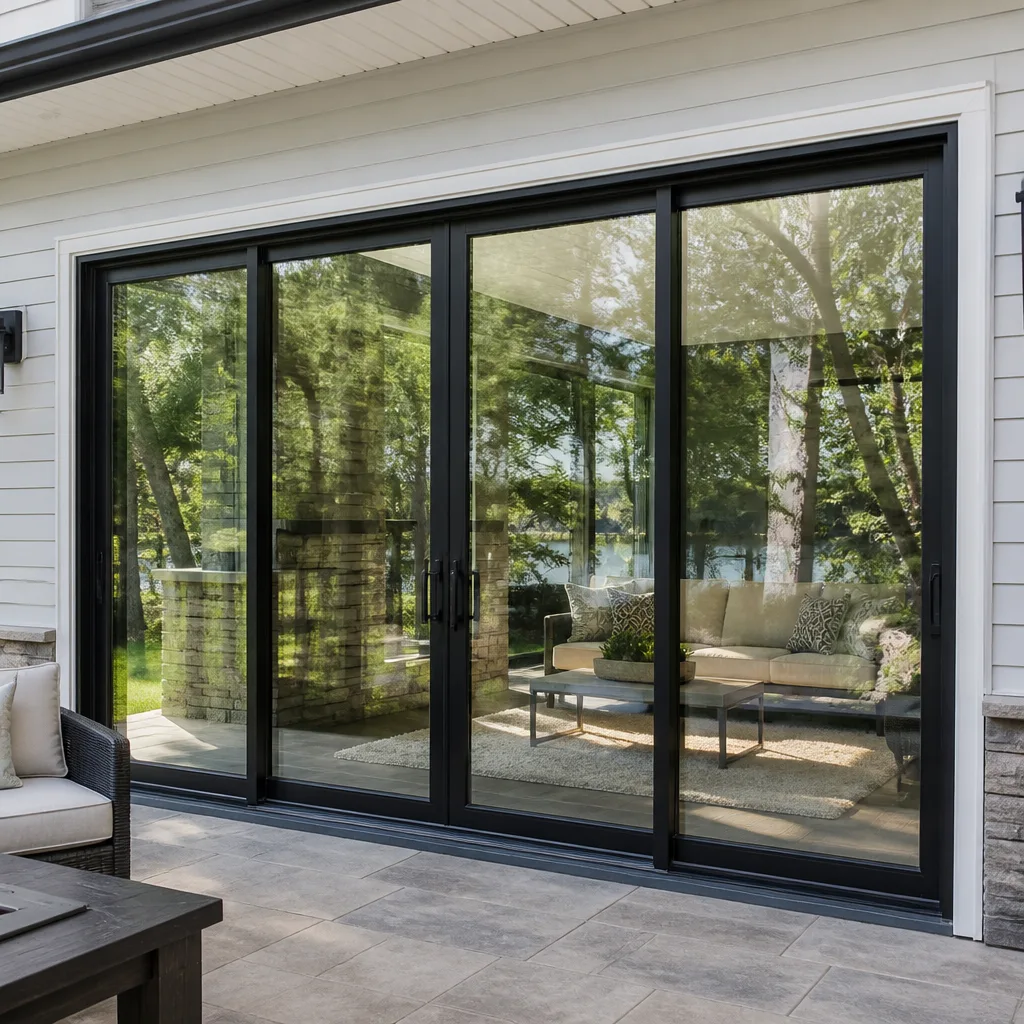
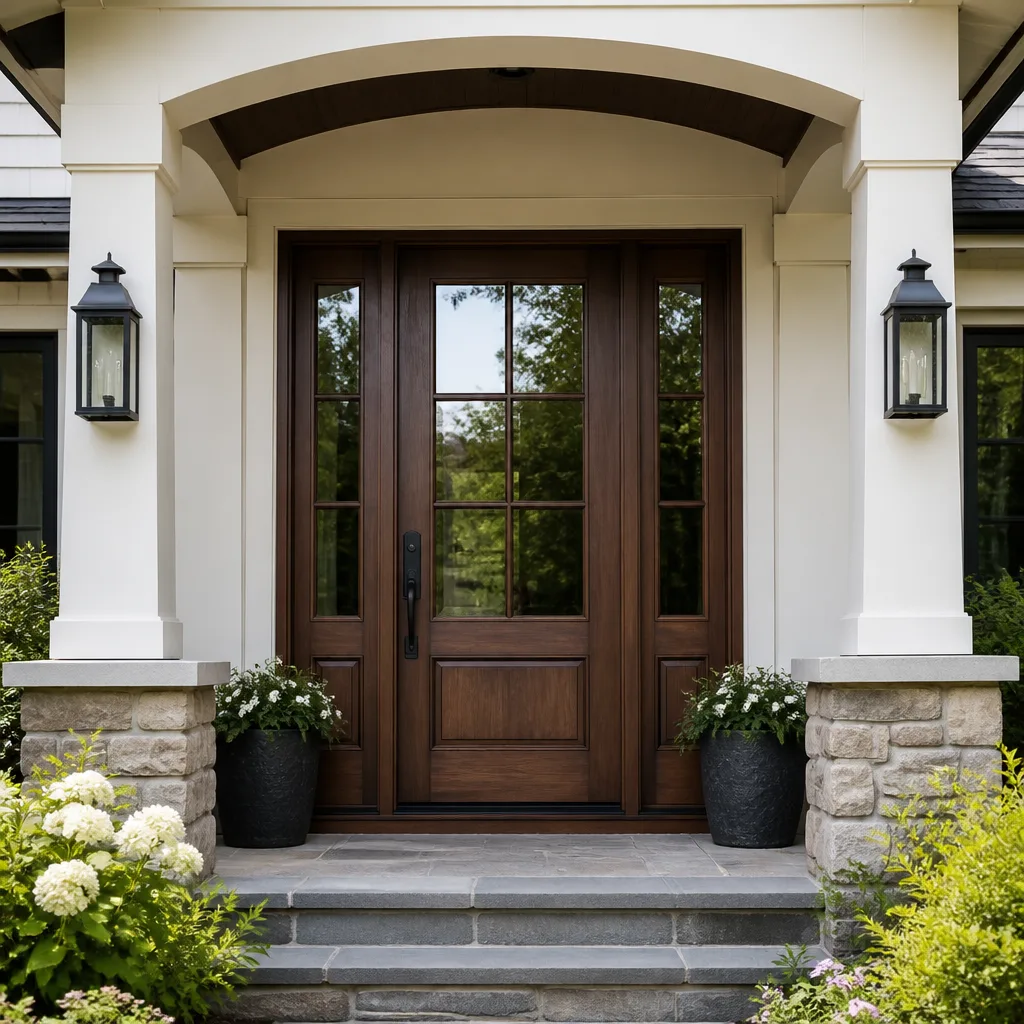
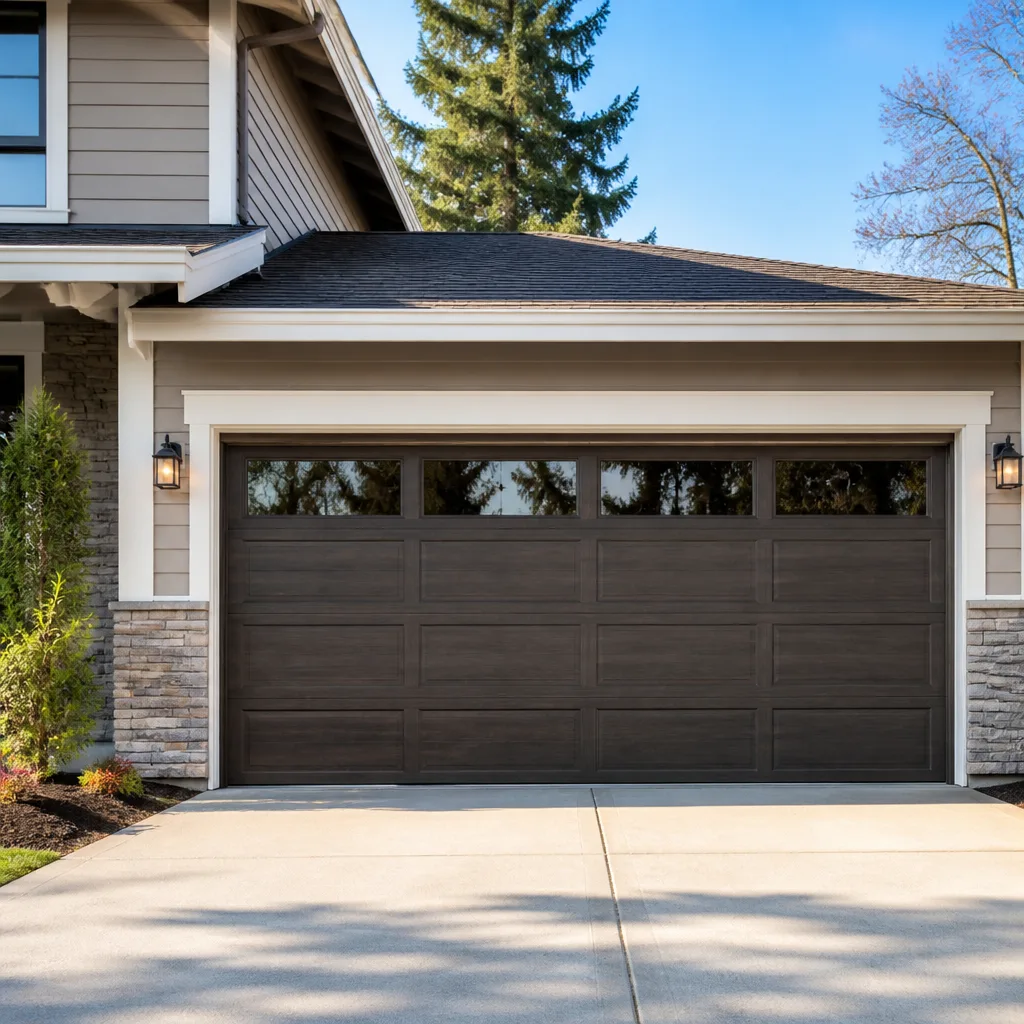
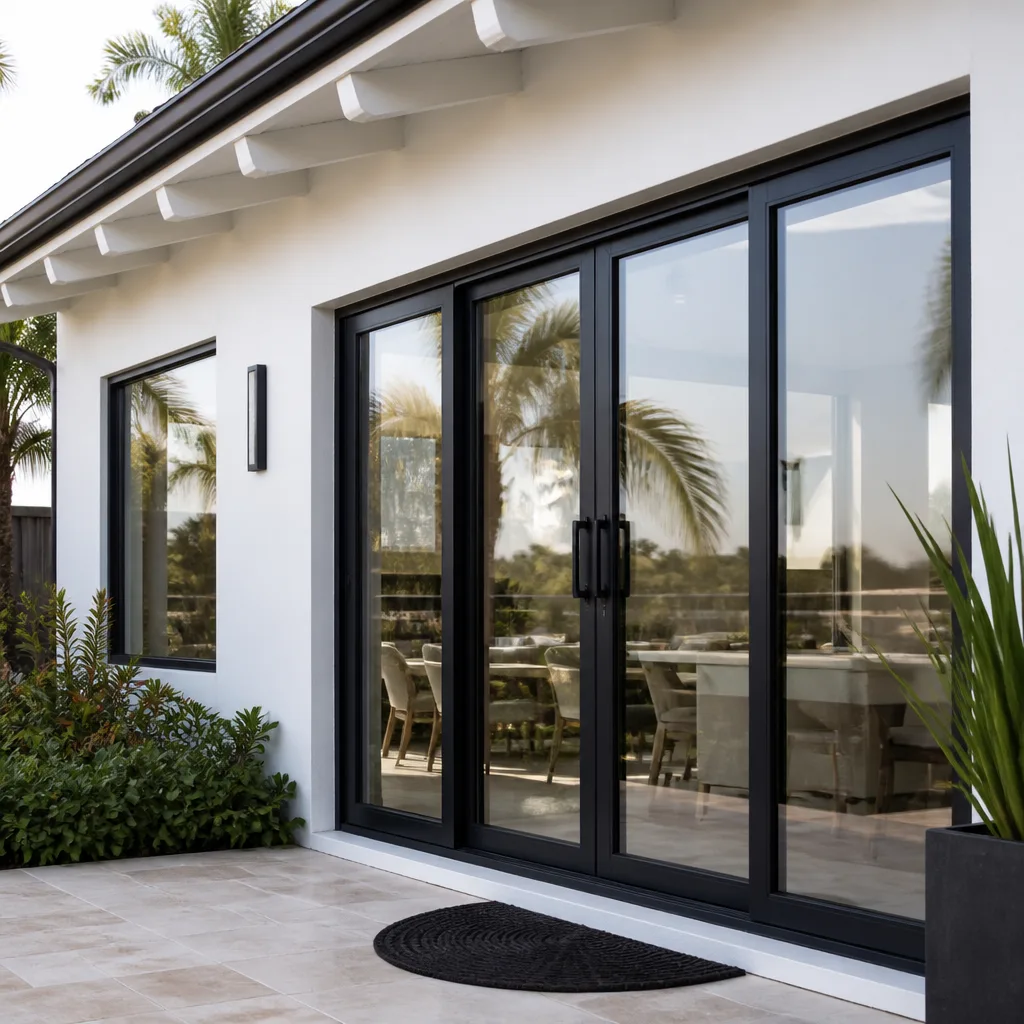
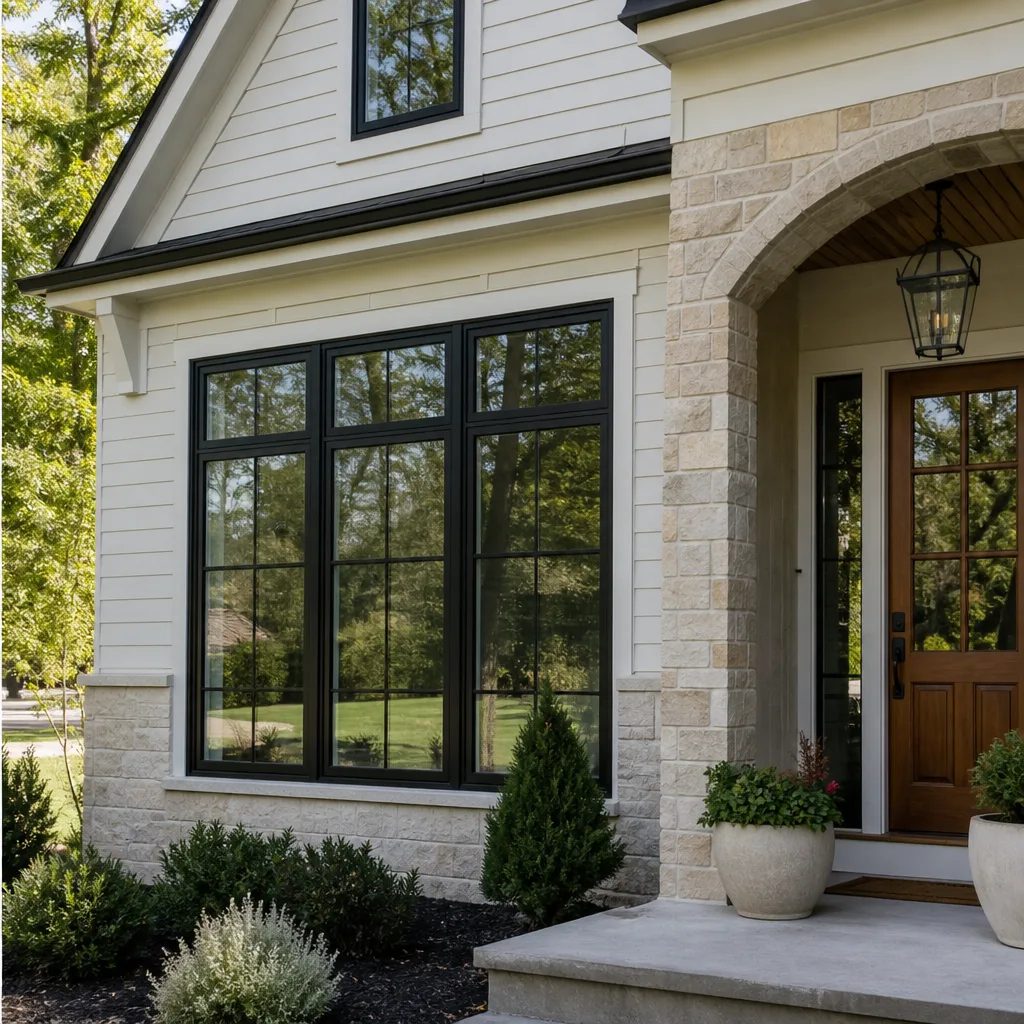
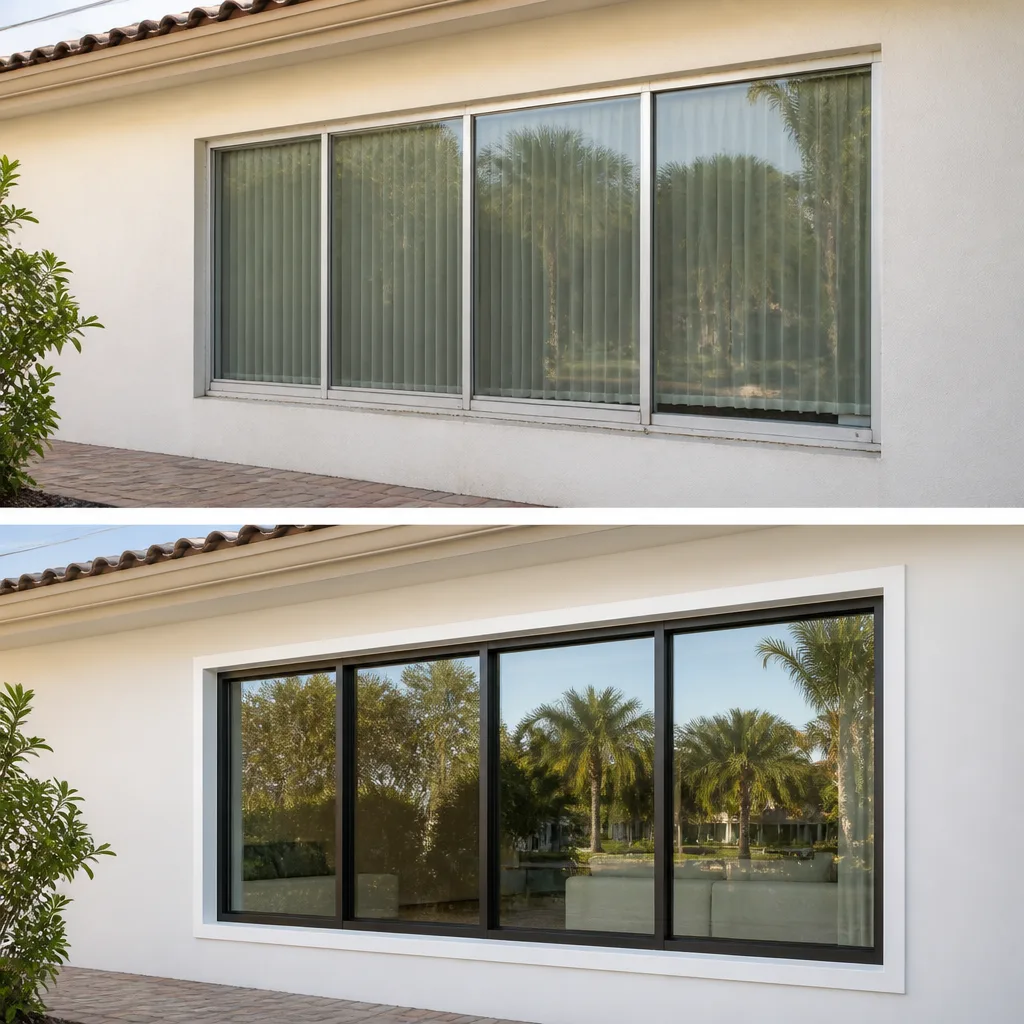
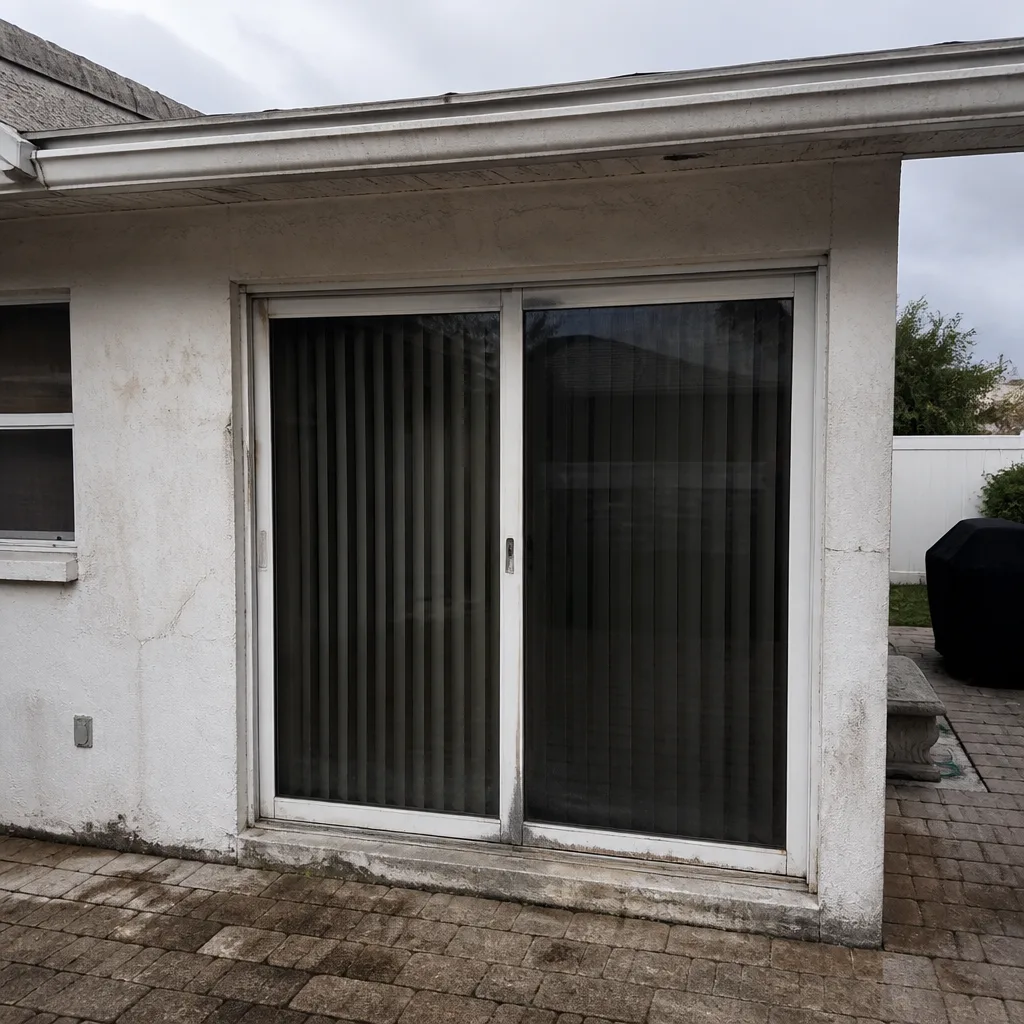 Before
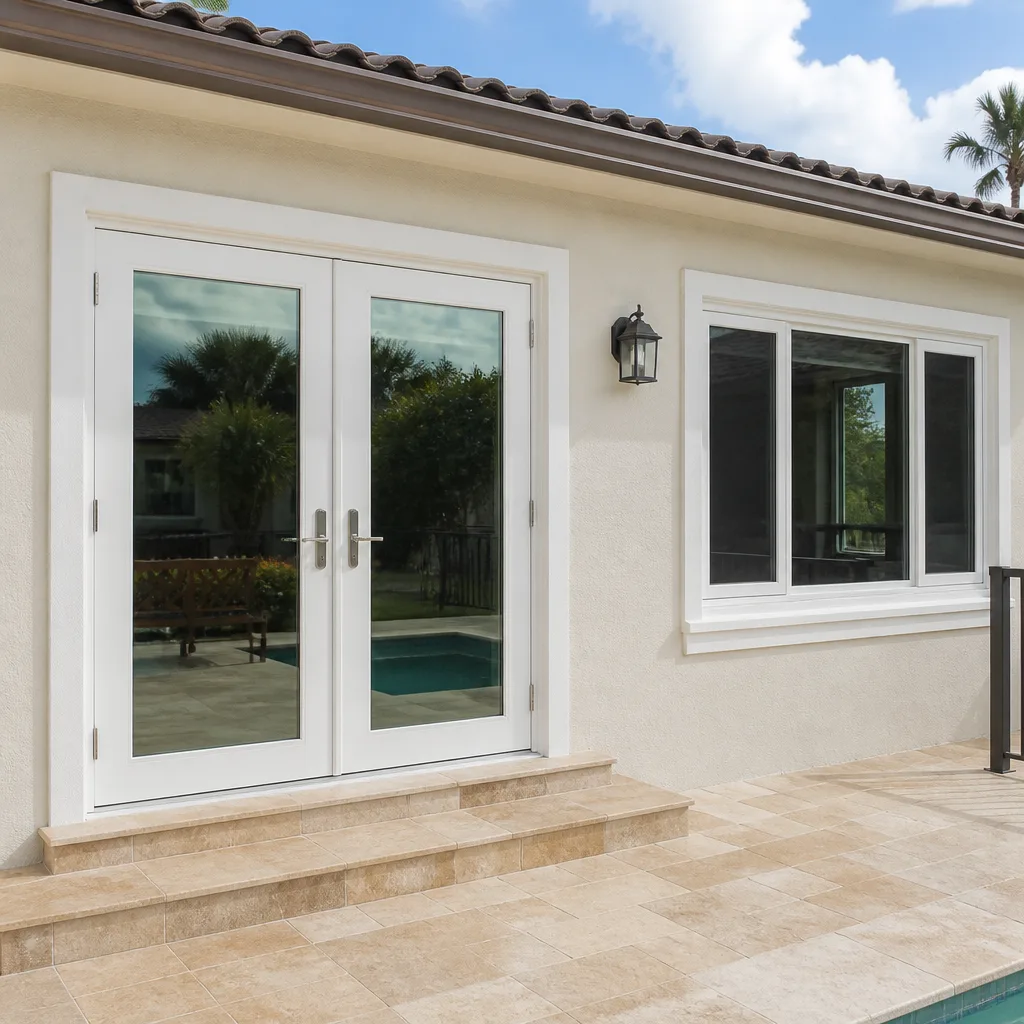 After
After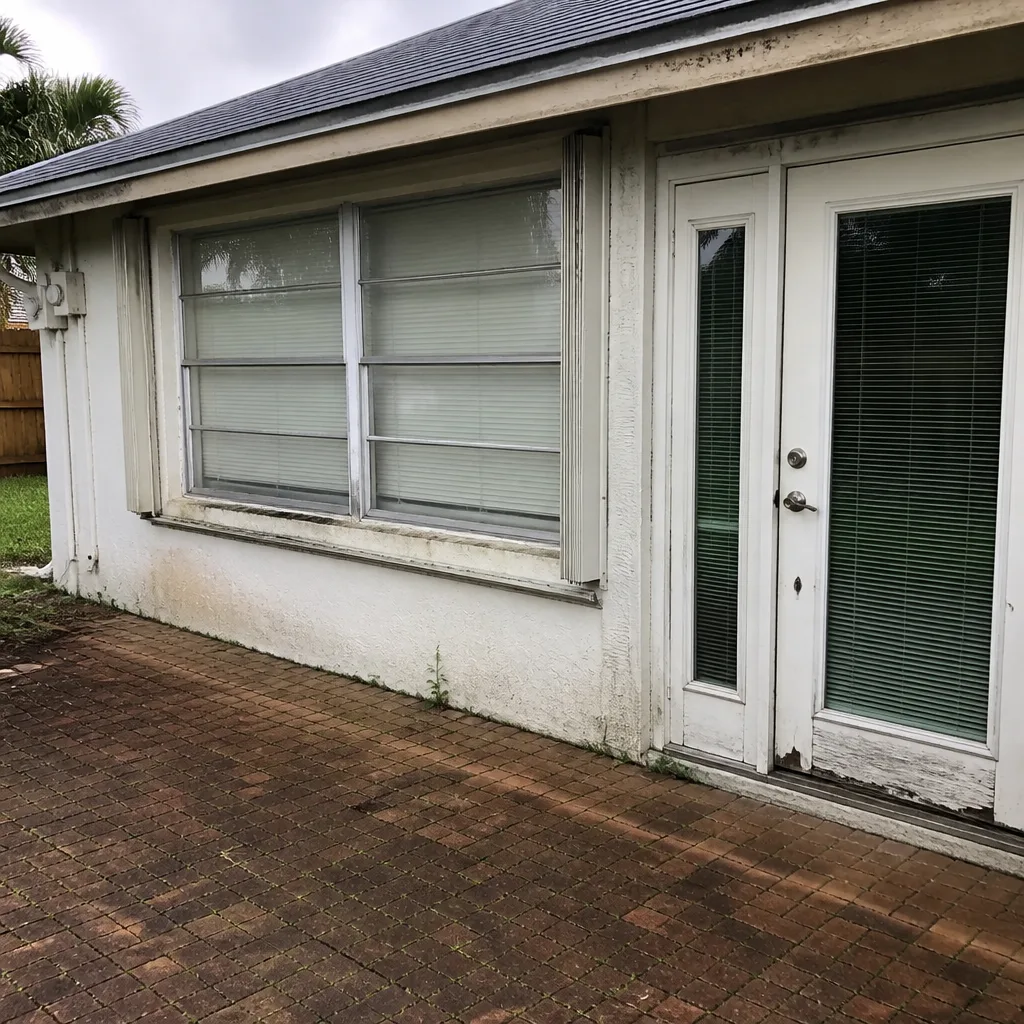 Before
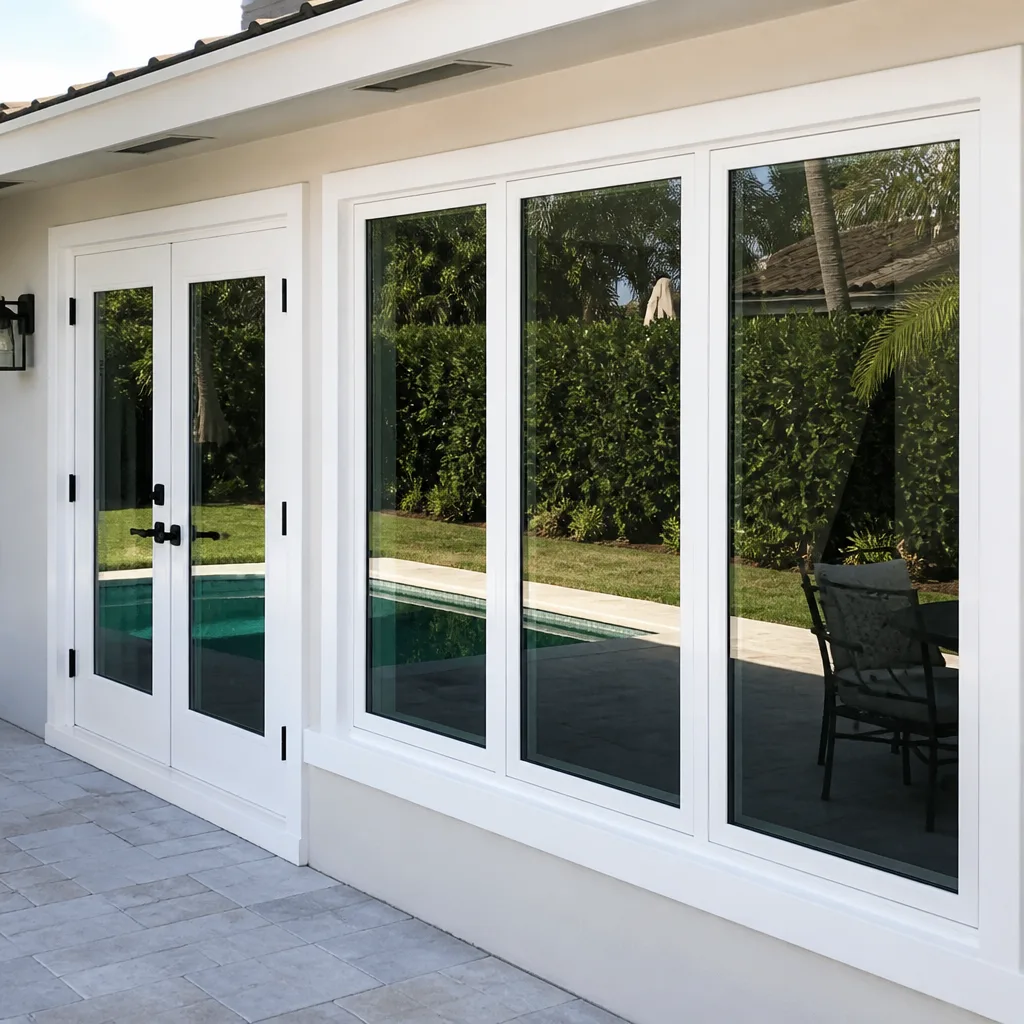 After
After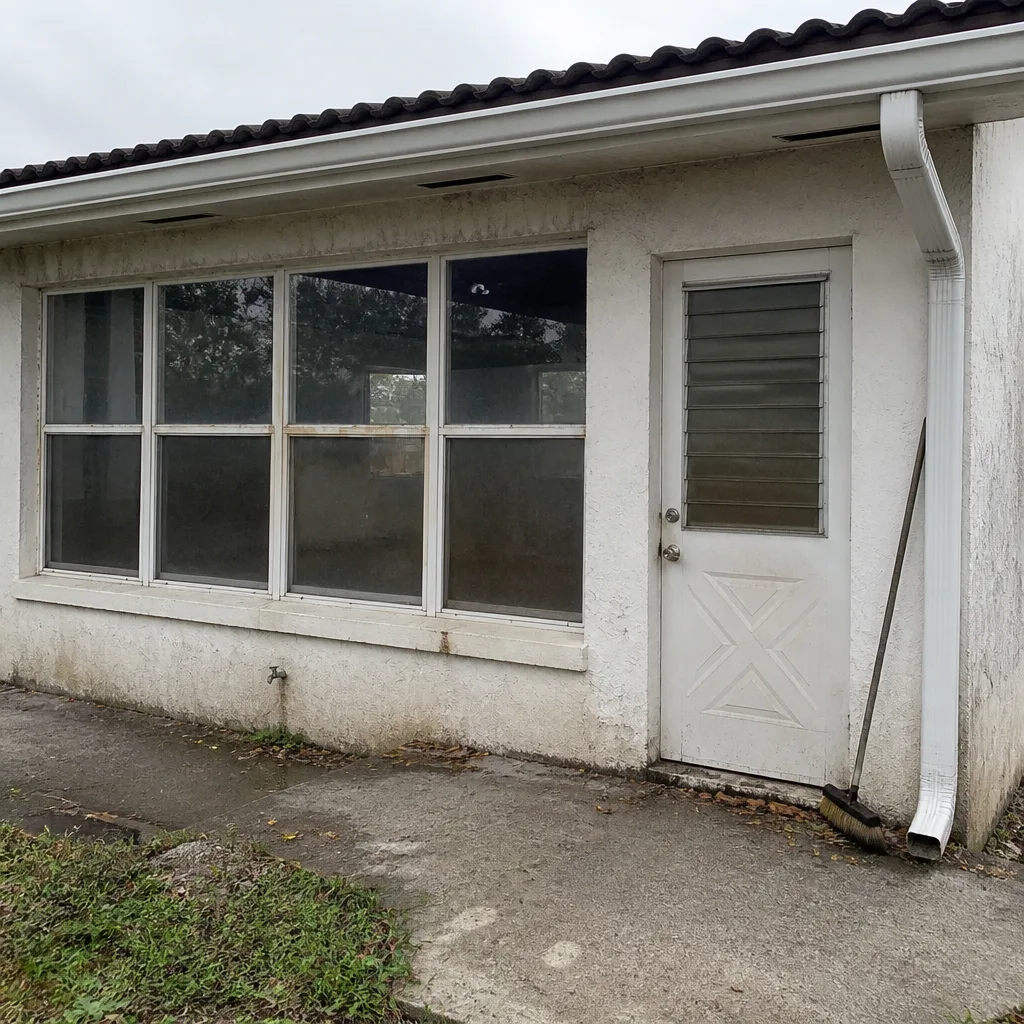 Before
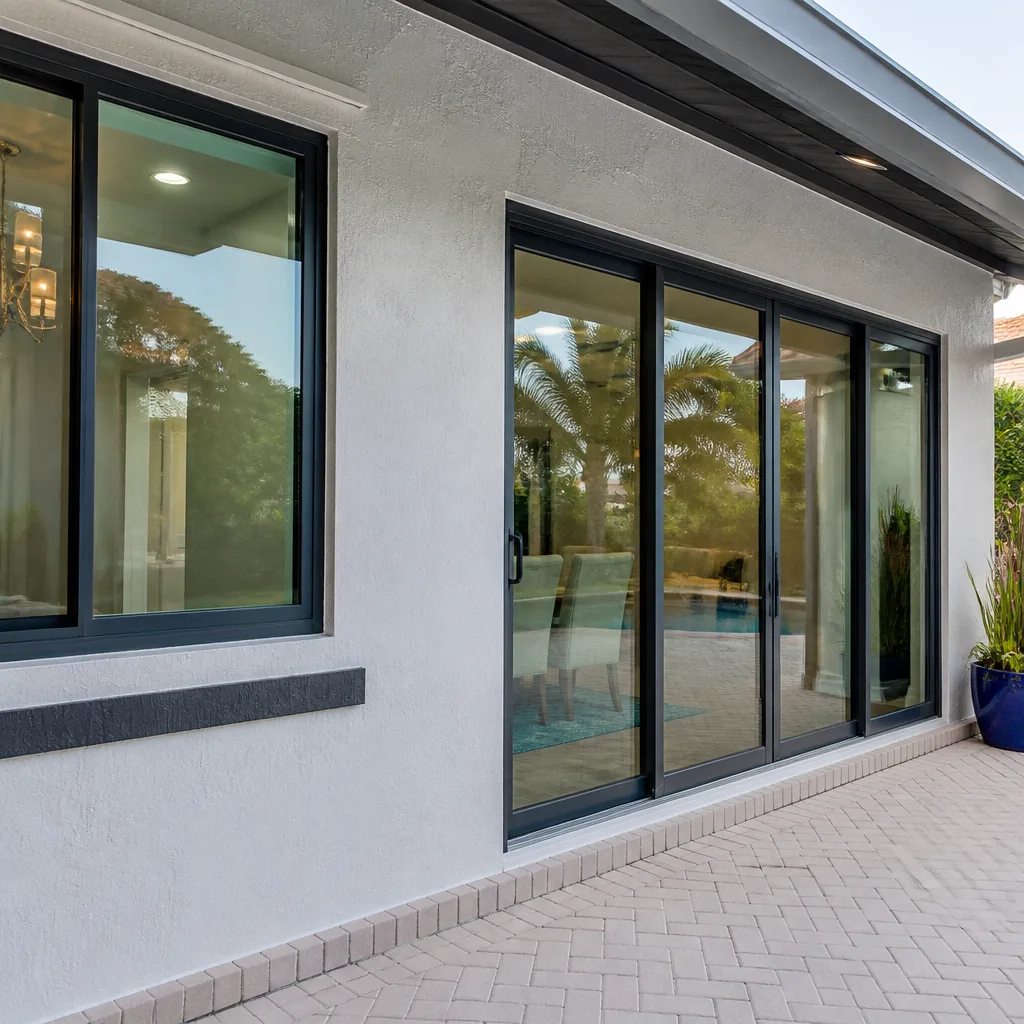 After
AfterThe Complete Guide to Windows & Doors in Boynton Beach
A window that passed code in Orlando can fail inspection on the same street in Boynton Beach. Palm Beach County’s wind-borne debris region designation creates a hard boundary that most product-focused guides ignore until a homeowner has already purchased the wrong unit. In our experience across 18,000+ openings since 2012, the majority of failed installs in Boynton Beach trace back to errors made at the survey stage, not the showroom floor. This guide organizes every decision around the measurement-first principle: how site conditions in Boynton Beach determine product eligibility, what your written scope must contain, and why the documented photo record matters when you sell.
Quick Answer
Installing or replacing windows and doors in Boynton Beach requires impact-rated or protected openings per Palm Beach County’s wind-borne debris region code, with products carrying either Miami-Dade NOA or Florida Product Approval. If you’re weighing whether to tackle this yourself, see our DIY vs Professional Windows & Doors: The Boynton Beach Homeowner’s Decision Guide. The rough-opening measurement, not the nominal window size, governs every downstream decision from product selection to final inspection. A proper engagement produces three documents: a measured survey you keep, a written scope-of-work that matches it exactly, and a post-install photo record verifying code compliance.
Table of Contents
- How Palm Beach County’s WBDR Boundary Affects Product Eligibility
- Why the Rough Opening Measurement Governs Every Decision
- Miami-Dade NOA vs. Florida Product Approval: What Boynton Beach Permits Require
- How to Read a Written Scope-of-Work So Survey and Invoice Match
- The Documented Photo Record: What It Should Contain and Why Resale Matters
- Site Conditions Specific to Boynton Beach Installations
- Selecting Products by Performance Tier, Not by Showroom Availability
- Final Inspection and Sign-Off in Palm Beach County
 Before
 After
AfterHow Palm Beach County’s WBDR Boundary Affects Product Eligibility
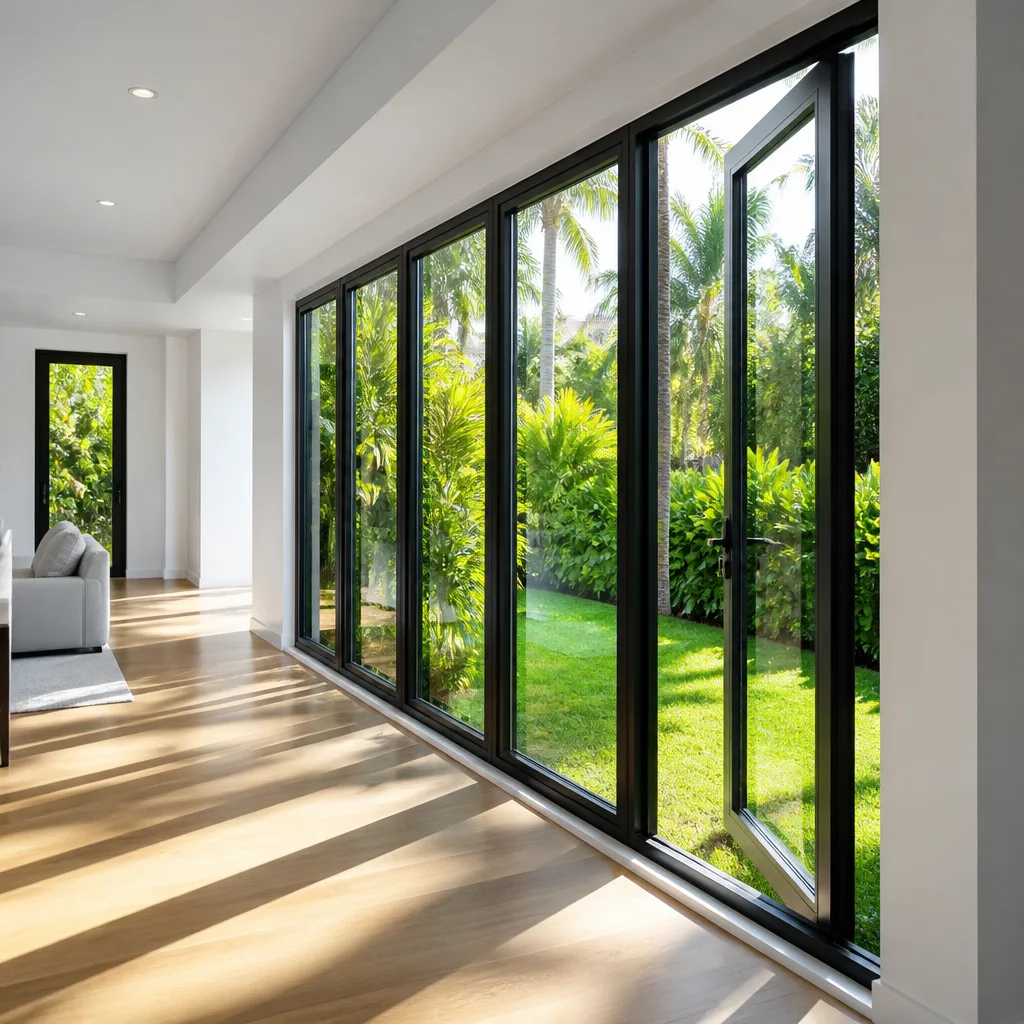
Boynton Beach sits entirely within Palm Beach County’s wind-borne debris region, or WBDR. This is not a suggestion. It is a county-wide designation under the Florida Building Code that determines whether your windows and doors must be impact-rated or protected with an approved shutter system.
Here is where homeowners get tripped up. A window purchased from a national retailer may carry an NFRC label showing excellent U-factor and SHGC numbers. That label means nothing if the product lacks Miami-Dade NOA or Florida Product Approval for impact resistance. We’ve surveyed homes in Boynton Beach where the previous owner installed “hurricane-rated” windows that turned out to be laminated glass without the structural testing required for WBDR compliance. The current owner faces full replacement at resale or after the next inspection event.
The WBDR boundary runs through Florida at the county line. Drive twenty minutes west to some parts of Broward’s western zones and the requirement shifts. But in Boynton Beach, from the Intracoastal neighborhoods east of Federal Highway to the western developments near Boynton Beach Boulevard and beyond, every opening in every occupancy type must meet the same standard.
What this means practically: before you visit any showroom, confirm whether a product appears on the Florida Product Approval database or carries a current Miami-Dade NOA. The NOA, or Notice of Acceptance, is a document issued by Miami-Dade County’s product control division after specific missile-impact and cyclic pressure testing. Florida Product Approval is the statewide equivalent administered by the Florida Department of Business and Professional Regulation. For most Boynton Beach permits, either is acceptable. For some specific high-velocity hurricane zone applications, the building official may require Miami-Dade NOA specifically.
We specify products from PGT, CGI, CWS, and ES Windows by what the opening requires, not by what is in stock. Each manufacturer maintains current NOAs and Florida Product Approvals for different performance tiers. The survey document we produce notes which approval path governs each opening in your home.
Why the Rough Opening Measurement Governs Every Decision
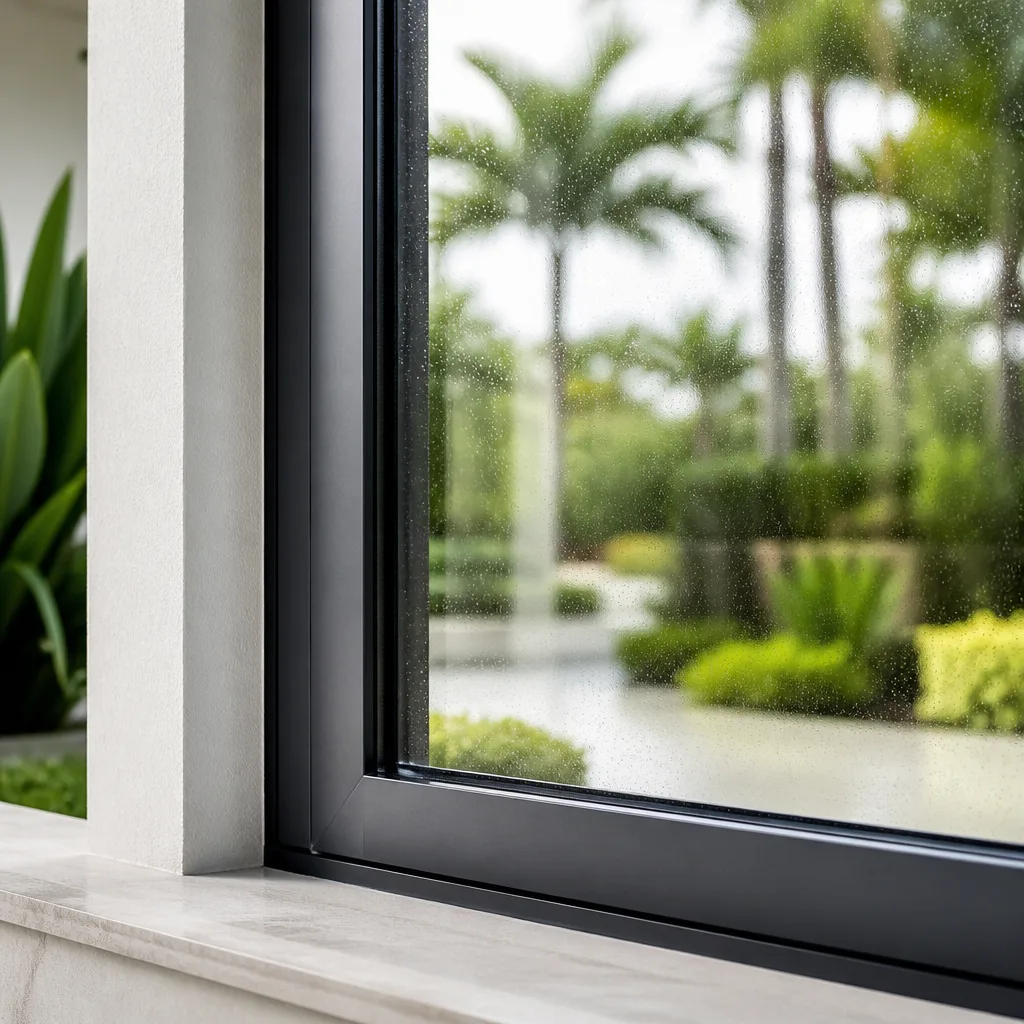
The nominal size printed on a window label, say 36 by 72 inches, describes the daylight opening of the sash. It does not describe the hole in your wall. The rough opening is the actual framed aperture, measured in three places for width and three for height, with the smallest dimension recorded in each direction. That measurement, not the nominal size, is the document that governs product selection, pricing, and installation sequence.
Here’s why this matters in Boynton Beach homes specifically. The housing stock spans multiple eras: 1950s concrete block ranch homes in the original downtown grid, 1970s and 80s frame construction in neighborhoods like Hunters Run, and 2000s-era CBS construction in newer developments west of Congress Avenue. Each era used different framing standards, different header sizes, and different sill conditions. A nominal 36-by-72 replacement unit ordered without a measured survey may arrive to find a rough opening of 35 3/8 by 71 1/4, with a settled sill that no longer reads level.
Our measured survey protocol, governed by Haven Clause 1, produces a document the customer keeps. We record:
- Width at top, middle, and bottom of the rough opening
- Height at left, center, and right
- Diagonal measurements to check for square
- Sill level reading in inches per foot
- Frame material and condition (original wood buck, replacement vinyl insert, direct-mount block)
- Wall thickness and finish conditions interior and exterior
- Proximity to property line or zero-lot-line conditions affecting egress or fire rating
That survey becomes the written quote. The quote cannot differ from the survey because they are the same document. When we arrive to install, the product specified matches the opening measured. No field modifications that compromise the impact rating. No “it was close enough” shim jobs that void the manufacturer’s warranty.
In Boynton Beach’s older neighborhoods, particularly east of Federal Highway where salt air has accelerated frame deterioration, we’ve found rough openings that have shrunk 3/8 inch from original construction due to repeated replacement cycles. The only way to catch this is to measure before ordering. The only way to price accurately is to price what was measured.
Miami-Dade NOA vs. Florida Product Approval: What Boynton Beach Permits Require
Boynton Beach building permits are issued through Palm Beach County’s unified permitting system. The plan reviewer will check every window and door schedule against one of two approval databases. Understanding which your products carry prevents permit rejection and inspection failure.
Miami-Dade NOA is issued after product testing at Miami-Dade County’s approved laboratories. The document specifies exact product configurations: frame extrusion, wall thickness, reinforcement, glazing type, anchorage pattern, and maximum design pressure. Change any element and the NOA no longer governs that installation. NOAs are required for products in Miami-Dade County’s high-velocity hurricane zone and are accepted throughout Palm Beach County.
Florida Product Approval is the statewide system. Products on this list have met testing standards equivalent to Miami-Dade’s but through a different administrative path. For most Boynton Beach residential permits, Florida Product Approval is sufficient. However, some products carry only Florida Product Approval for certain configurations and Miami-Dade NOA for others. The permit reviewer sees this distinction even if the homeowner does not.
The critical difference for your project: if your permit application lists a Florida Product Approval number, and the inspector arrives with a Miami-Dade NOA checklist, you need to know in advance whether your product’s approval path covers both. We verify this during specification, not during inspection.
Boynton Beach’s position on the Atlantic coast also means exposure category matters. The Florida Building Code assigns exposure categories based on terrain roughness and distance to open water. Homes east of A1A, or with unobstructed fetch across the Intracoastal, may face higher design pressure requirements than inland properties. The NOA or Product Approval must list a design pressure rating that meets or exceeds the calculated load for your specific address. This is not a generic calculation. We run it per opening.
Permit requirements in Boynton Beach also include:
- Energy code compliance documentation (U-factor and SHGC per IECC/Florida Energy Code)
- Fenestration installation method matching the approved wall assembly in the Florida Building Code
- Impact protection documentation for all openings, or shutter schedule if using non-impact glass with approved protection
- EGress compliance for bedroom openings, measured from finished floor to clear opening area
The permit fee structure in Palm Beach County is based on valuation, but the plan review fee is separate. A rejected permit due to incorrect product approval documentation means paying the review fee again. We pull permits as part of our scope and verify documentation before submission.
How to Read a Written Scope-of-Work So Survey and Invoice Match

Haven Clause 1 states: the measurement and the quote are the same document. This is not marketing language. It is the operational principle that prevents the most common complaint we hear from homeowners who engaged other contractors: “the final price was different from the estimate.”
A proper written scope-of-work for Boynton Beach window and door installation contains these elements in plain language:
- Opening inventory by room and orientation. “Master bedroom, north wall, double-hung impact window, rough opening 47 1/4 by 59 1/2, design pressure +/- 50 psf, U-factor 0.30, SHGC 0.25.”
- Product specification with approval numbers. Manufacturer, series, configuration, and the specific Miami-Dade NOA or Florida Product Approval number that governs that unit.
- Installation method. New construction flange install, replacement insert with cap trim, or full-frame removal with siding integration. Each method affects price and wall condition.
- Finish work included. Interior trim, exterior sealant, stucco patch and match, or siding repair. What is included and what is explicitly excluded.
- Permit and inspection handling. Who pulls the permit, who schedules inspections, who attends.
- Documentation deliverables. The measured survey, the photo record, and the warranty documents you receive at completion.
Read any scope with this question: if I compare this document to the final invoice, line by line, will they match? If the scope says “install window” without specifying the product, the method, and the finish, the invoice can vary. If the scope says “PGT WinGuard 4100 series, double-hung, white, with nailing flange, installed with backer rod and sealant per TAS 202, interior 3 1/4 inch colonial trim included,” then the invoice must match.
We provide a written price before any work starts. The price is derived from the measured survey, not from a per-window average or a phone estimate. In Boynton Beach, where wall conditions vary significantly by neighborhood and era, a per-window average is fiction. The survey document you keep is the basis for the written scope. The written scope is the basis for the invoice. Haven Clause 5: No surprises. For help choosing the right professional, read our How to Hire a Windows & Doors Contractor in Boynton Beach: A Step-by-Step Guide.
The Documented Photo Record: What It Should Contain and Why Resale Matters
Haven Clause 4 requires evidence on every job. For window and door installation in Boynton Beach, the documented photo record serves three purposes: it verifies code compliance at inspection, it documents condition for warranty claims, and it transfers to the next owner at resale.
Palm Beach County’s real estate market includes significant investor activity and seasonal ownership. A home in Boynton Beach with documented, permitted window and door replacements commands higher confidence than one with verbal assurances. The photo record is part of that documentation.
A proper post-install package contains:
- Pre-install photos of each opening, showing existing condition and any defects
- Mid-install photos of rough opening preparation, flashing, and anchorage
- Post-install photos of finished unit, sealant bead, trim, and operation
- Close-up of the product label showing NFRC ratings and approval numbers
- Permit final inspection sign-off or certificate of completion
We deliver this package electronically within 48 hours of final inspection. The customer owns it. It is not held on our servers as leverage for future business.
At resale, a Boynton Beach homeowner can produce this record to demonstrate that impact-rated products were installed per code, with proper permits, by a licensed contractor. In a market where insurance underwriters increasingly scrutinize opening protection documentation, this record can affect insurability and premium. We have had past customers contact us years after installation requesting their photo record for a refinance or sale. We provide it, because Haven Clause 4 means the evidence travels with the job, not with the contractor’s filing system.
Site Conditions Specific to Boynton Beach Installations
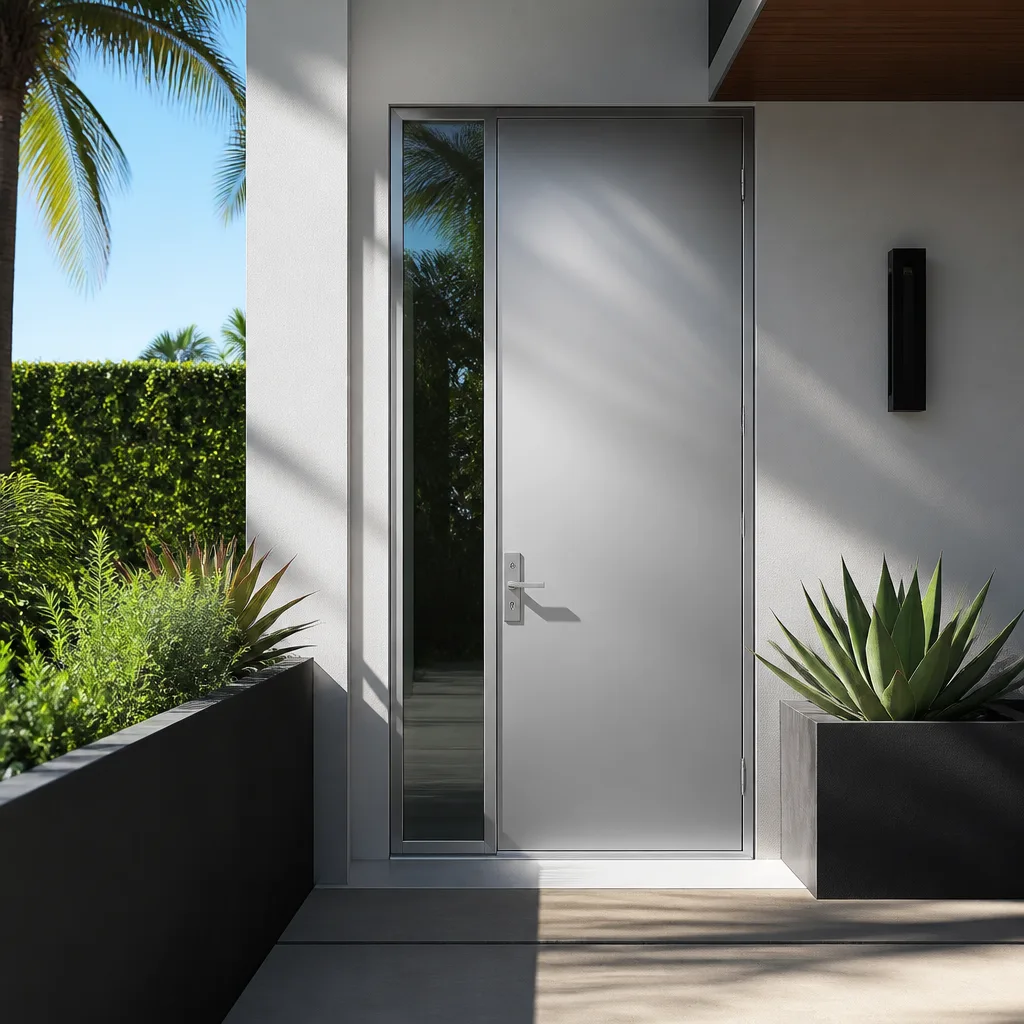
Boynton Beach presents conditions that affect product selection and installation method. Understanding them before specification prevents change orders and callbacks.
Salt air exposure. Properties east of Federal Highway, particularly in oceanfront and Intracoastal neighborhoods, experience salt spray that accelerates corrosion on non-anodized aluminum and uncoated steel hardware. We specify 6063-T6 aluminum with AAMA 2605 fluoropolymer finish or 5000-series anodized aluminum for these locations. Hardware is stainless steel or zinc-aluminum coated per ASTM B117 salt spray testing. For ongoing protection, see our Seasonal Windows & Doors Care for Boynton Beach: Year-Round Homeowner’s Guide.
High water table and drainage. Boynton Beach’s elevation averages 20 feet above sea level, with some areas near the C-16 canal system reading lower. Slab-on-grade construction with grade-level openings requires careful sill pan flashing and drainage plane continuity. We’ve documented sill rot in homes where the original installer omitted end dams or relied on caulk instead of mechanical flashing.
Zero-lot-line and fire separation. Newer developments in western Boynton Beach, including some townhome communities, use zero-lot-line construction with fire-rated wall assemblies. Window and door openings in these walls require products with specific fire ratings and limited sizes per the approved assembly. The rough opening measurement must account for the fire-rated shaft wall or party wall construction, which is thicker than standard frame construction.
HOA architectural review. Many Boynton Beach communities, including those in Hunters Run, Coral Lakes, and Valencia Shores, maintain architectural review committees with specific product and color restrictions. We require HOA approval documentation before ordering for these properties. The written scope notes the approved color and grid pattern to prevent rejection at installation.
Age-related frame conditions. Homes built before 1992 in Boynton Beach may have original wood bucks embedded in concrete block, or early aluminum replacement windows installed without thermal breaks. Full-frame replacement in these conditions requires wall repair that insert replacement does not. The survey document notes frame condition so the scope includes appropriate wall preparation.
Selecting Products by Performance Tier, Not by Showroom Availability
We specify from eight manufacturer lines: PGT, CGI, CWS, ES Windows, ECO Window Systems, Mr-Glass, Therma-Tru, and ViewLux. Each occupies a distinct performance tier and price range. The selection process begins with what the opening requires, not with what is in stock or what carries the highest margin.
For Boynton Beach, the performance tiers map approximately as follows:
| Tier | Typical Application | Price Range (installed, per opening) |
|---|---|---|
| Entry impact-rated vinyl | Standard replacement, inland exposure, budget-conscious | $800-$1,400 |
| Mid-grade impact aluminum | Coastal exposure, larger openings, thermal break required | $1,400-$2,200 |
| Premium impact aluminum or hybrid | Direct oceanfront, custom sizes, high design pressure | $2,200-$3,500 |
| Specialty: geometric, custom color, impact garage door | Architectural features, HOA-matched aesthetics | $3,500-$6,000+ |
These ranges reflect Boynton Beach market conditions as of 2024, including permit fees, typical wall repair, and standard finish work. They are not quotes. Your measured survey produces a written price specific to your openings.
PGT and CGI dominate the Florida impact market with extensive NOA coverage and established distribution. CWS and ES Windows offer competitive alternatives with specific advantages in thermal performance or custom sizing. We specify by opening requirement: a west-facing second-story opening in a 1970s frame home near the Intracoastal faces different loads and thermal stress than a north-facing ground-floor opening in a 2015 CBS home inland.
The U-factor and SHGC numbers matter for energy code compliance, but they also affect comfort. Boynton Beach’s cooling-dominated climate means SHGC (solar heat gain coefficient) often drives comfort more than U-factor. A low U-factor with high SHGC will pass code but leave west-facing rooms uncomfortably warm. We calculate orientation-specific performance, not whole-house averages.
Final Inspection and Sign-Off in Palm Beach County

Palm Beach County building inspections for window and door replacement typically require two inspections: rough inspection (if wall modification occurred) and final inspection. For insert replacements with no structural modification, only final inspection may be required. We schedule and attend both.
The inspector verifies:
- Product labels match the approved plans and permit application
- Installation method matches the Florida Building Code approved assembly
- Impact rating documentation is current and matches the installed product
- EGress openings meet clear opening area and sill height requirements
- Energy code compliance (U-factor and SHGC) is documented
- Flashing and weatherproofing are visible and correctly applied
Failed inspections in Boynton Beach most commonly result from product substitution without updated approval documentation, or from installation methods that deviate from the approved assembly. Both are preventable with proper specification discipline.
Our 365-Day Done Right Promise, written into the Haven Standard, covers correction of any installation-related inspection failure at no additional cost. This is not a courtesy extended after the fact. It is a clause stamped on every job from the start.
Common Mistakes to Avoid
- Ordering by nominal size without a measured survey. The rough opening governs everything. A nominal 36-by-72 window ordered for a 35 5/8-by-71 1/2 opening requires field modification that voids impact rating and manufacturer’s warranty.
- Assuming “hurricane-rated” means WBDR-compliant. Laminated glass without missile-impact testing is not impact-rated. The label must show Miami-Dade NOA or Florida Product Approval, not just “hurricane” marketing language.
- Neglecting HOA approval before ordering. Boynton Beach communities with architectural review committees can reject installed products that violate covenants. Approval must be documented before specification.
- Accepting a verbal estimate or phone quote. Without a measured survey tied to a written scope, the final price has no anchor. Haven Clause 1 exists because this mistake is common and costly.
- Ignoring exposure category for coastal properties. East-facing openings in oceanfront or Intracoastal homes face higher design pressures than inland properties. Product selection must account for this, not just address.
- Failing to verify permit and inspection handling. Some contractors leave permit pulling to the homeowner, or install without permits entirely. Unpermitted work fails at resale and voids insurance claims.
- Not requesting the photo record at completion. The documented evidence protects warranty claims and adds value at resale. It should be standard, not an upsell.
When to Call a Professional
Call a licensed window and door contractor when: your rough openings show frame rot or settlement; you need to verify whether existing products meet current WBDR requirements; your project involves wall modification or structural header changes; you are replacing openings in fire-rated or zero-lot-line walls; or you need documentation for insurance, refinance, or resale purposes. Explore more guides & resources on our blog.
Sightline Windows & Doors Boynton Beach offers free estimates in Boynton Beach. Every estimate begins with a measured survey you keep, and the written price before any work starts. Call (561) 421-3844 to schedule. We also provide free second opinions on any written estimate from another contractor.
Frequently Asked Questions
Impact window replacement in Boynton Beach typically ranges from $800 to $3,500 per opening installed, depending on size, performance tier, wall condition, and finish work required. Entry vinyl impact units in standard sizes with minimal wall repair fall at the lower end; premium aluminum with thermal break, custom sizing, or direct oceanfront exposure fall higher. Call (561) 421-3844 for a written estimate based on your measured openings, estimates are free.
Yes. Boynton Beach is entirely within Palm Beach County’s wind-borne debris region, which requires all exterior openings to be impact-resistant or protected with approved shutters. This applies to new construction and replacement. Products must carry Miami-Dade NOA or Florida Product Approval. Call (561) 421-3844 to verify whether your existing products meet current code.
No. Haven Clause 1 means the measured survey and the written price are the same document. If site conditions differ from what the survey documented, we address that before ordering, not during installation. The final invoice matches the written scope. Call (561) 421-3844 to review how our pricing works.
Yes. We pull permits, schedule inspections, and attend them as part of our scope. The permit documentation becomes part of your delivered record. This is standard under the Haven Standard, not an additional service. Call (561) 421-3844 to discuss permit handling for your project.
Most residential window and door replacements in Boynton Beach require one to three days of installation time, depending on opening count, wall condition, and whether full-frame or insert method is used. Permitting adds one to two weeks for plan review and inspection scheduling. We provide a written timeline with the scope, not a verbal guess. Call (561) 421-3844 for project-specific scheduling.
Look for: current Florida license with number provided before arrival; documented product approvals matching Palm Beach County requirements; written scope-of-work tied to measured survey; permit and inspection handling included; documented photo record delivered at completion; and warranty in writing, not verbal. Sightline Windows & Doors Boynton Beach meets each of these under the Haven Standard. Call (561) 421-3844 to verify credentials and schedule a survey.
The Bottom Line
Window and door installation in Boynton Beach is governed by Palm Beach County’s WBDR designation, which makes product approval documentation and rough-opening accuracy more important than brand selection or showroom price. The measurement-first approach, written scope discipline, and documented photo record protect against the most common failures: permit rejection, inspection failure, warranty void, and price dispute. Every engagement should produce three documents you keep: the measured survey, the written scope, and the post-install evidence package. Anything less leaves you exposed.
Written by Sonia Raman, Owner at Sightline Windows & Doors Boynton Beach, serving Boynton Beach since 2012.