
Last updated September 24, 2026
Free in-home measure and quote - PGT, CGI and CWS impact lines compared on your actual openings, style by style
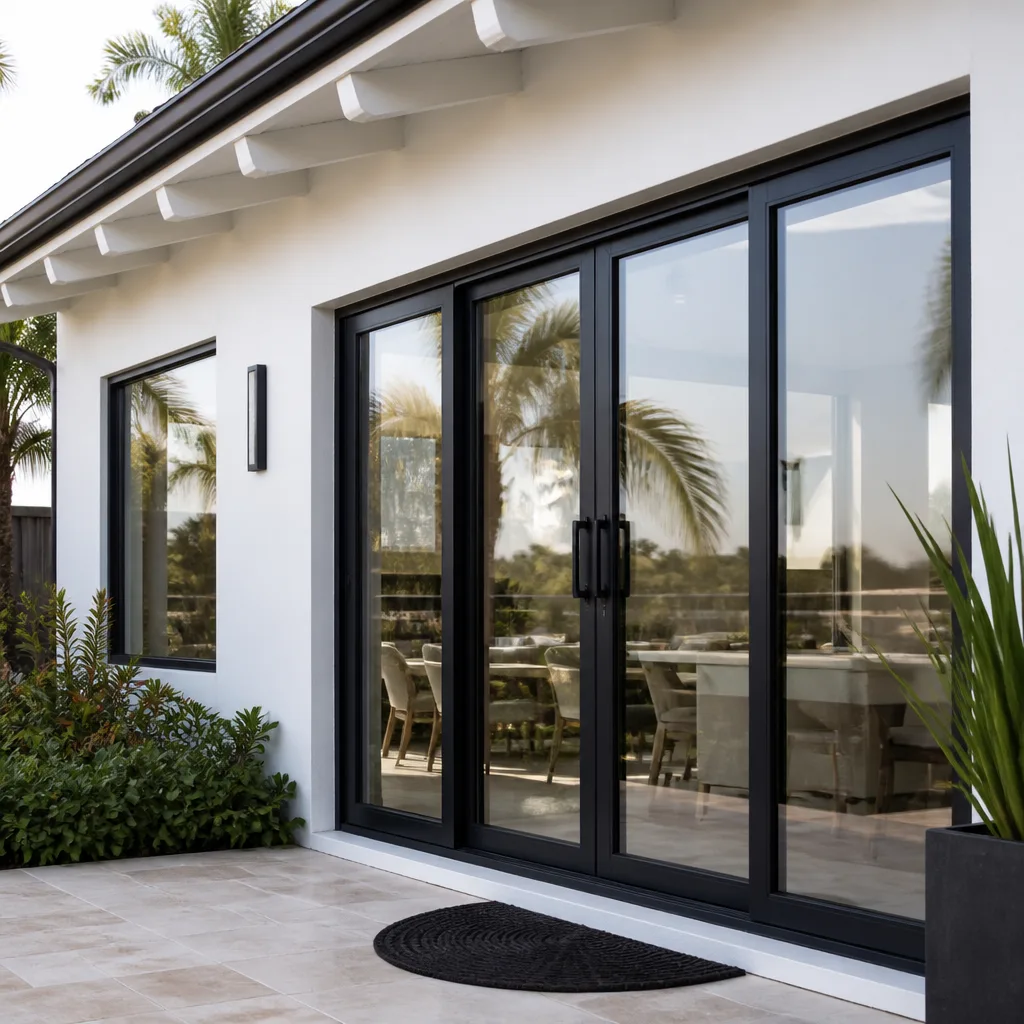
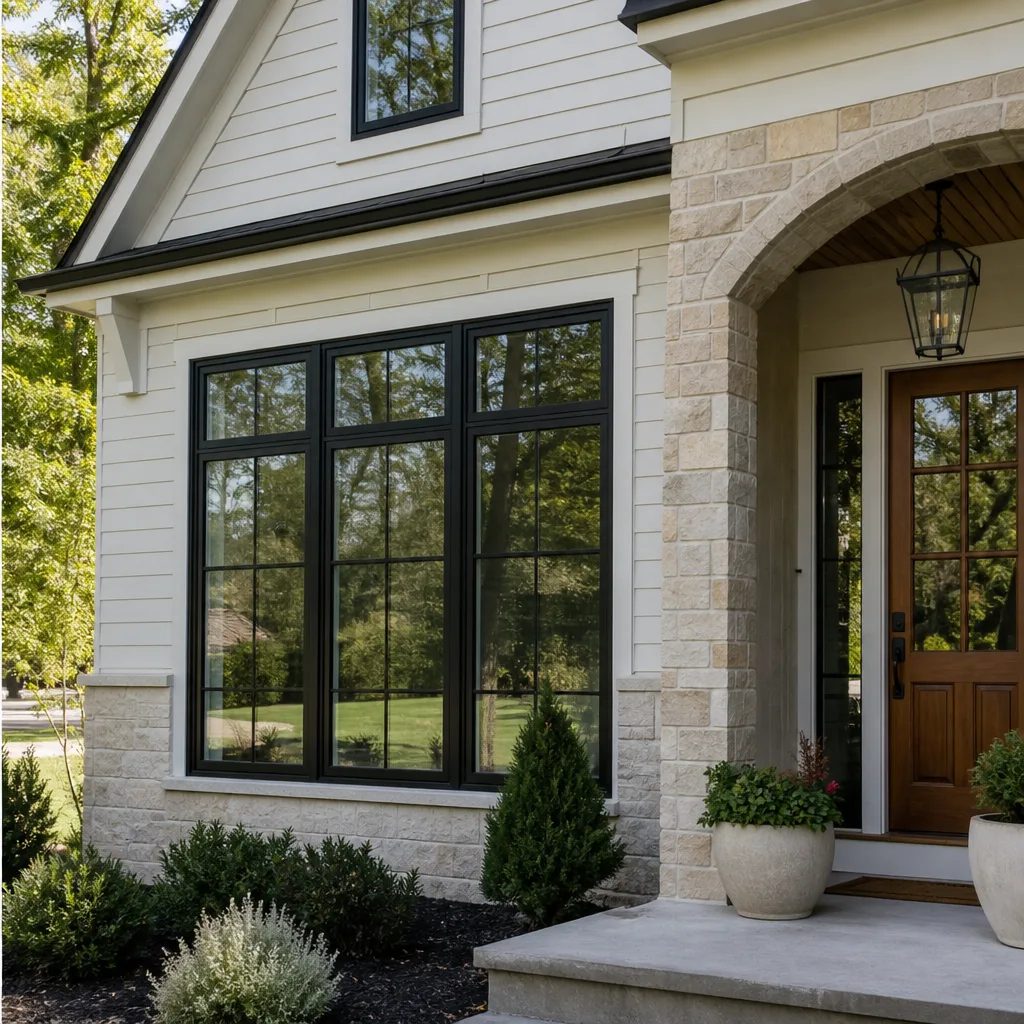
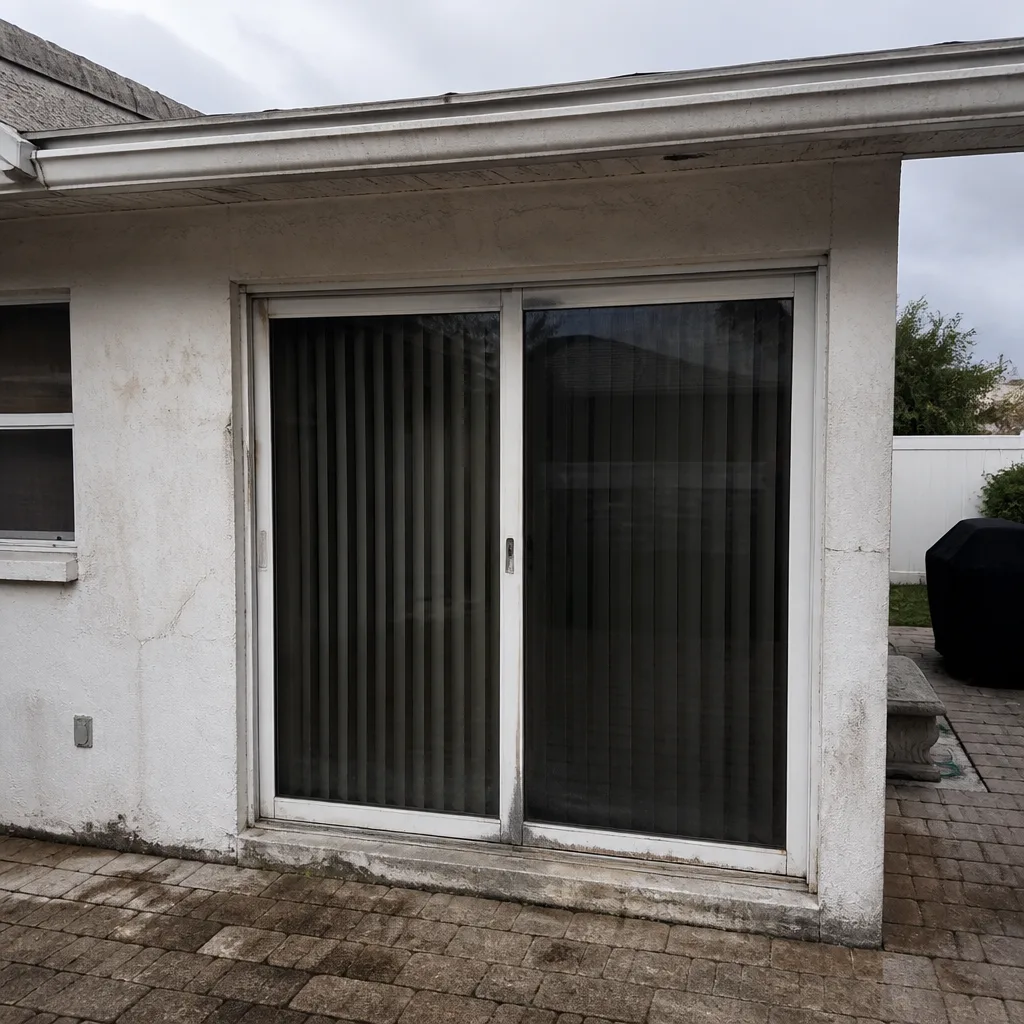 Before
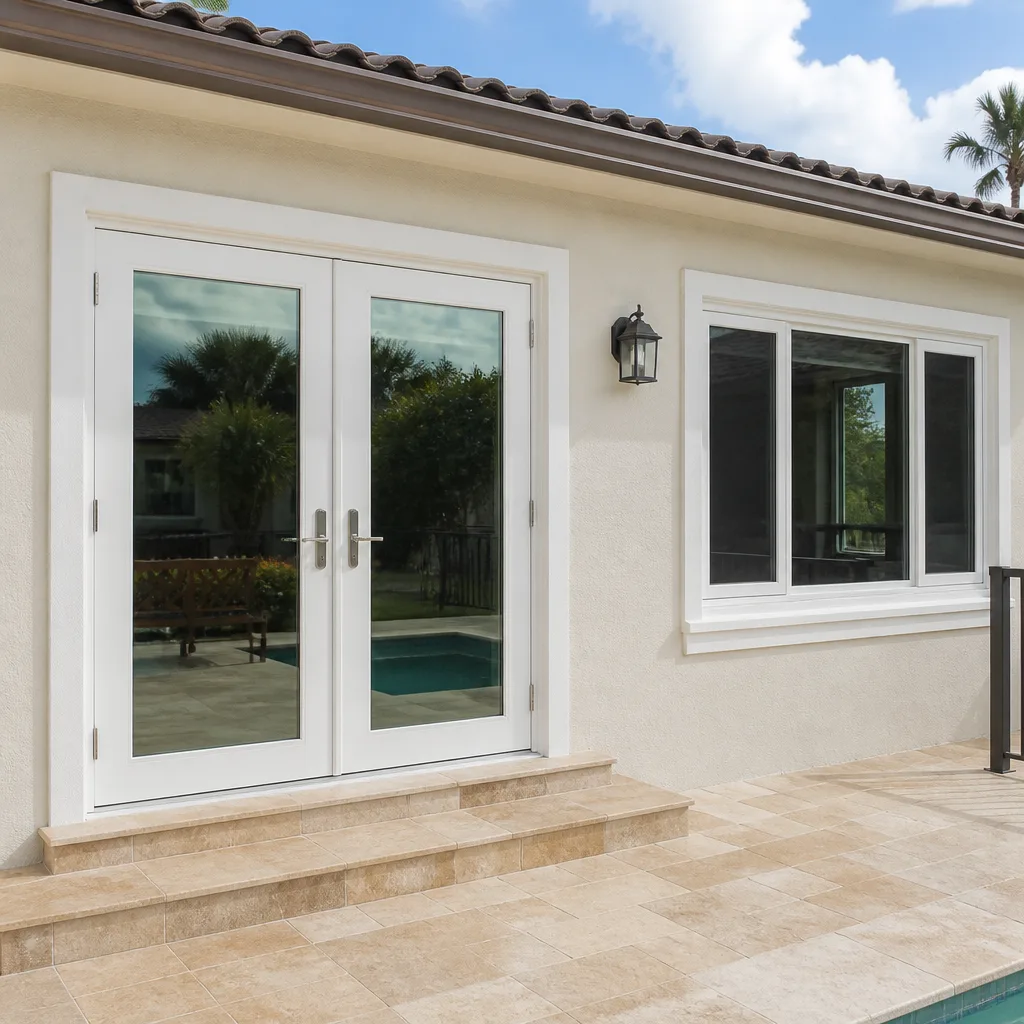 After
After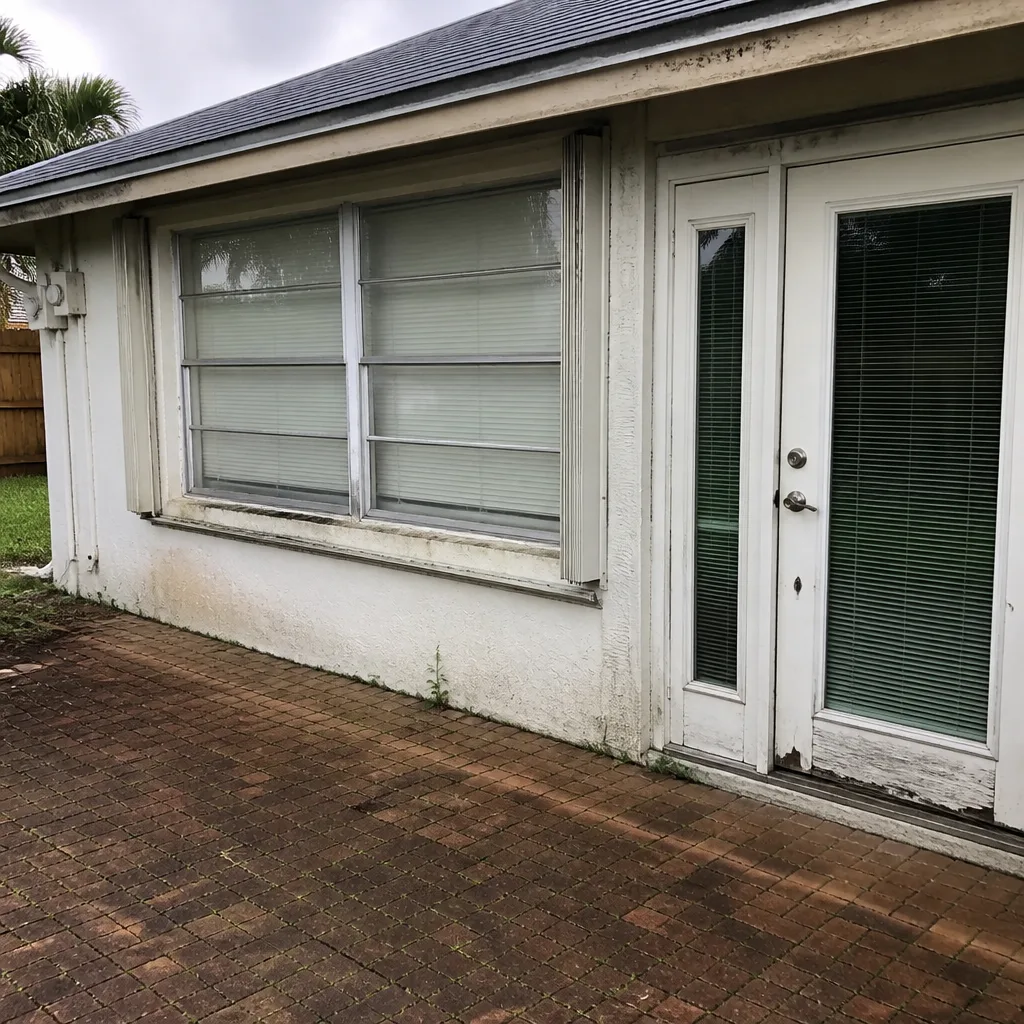 Before
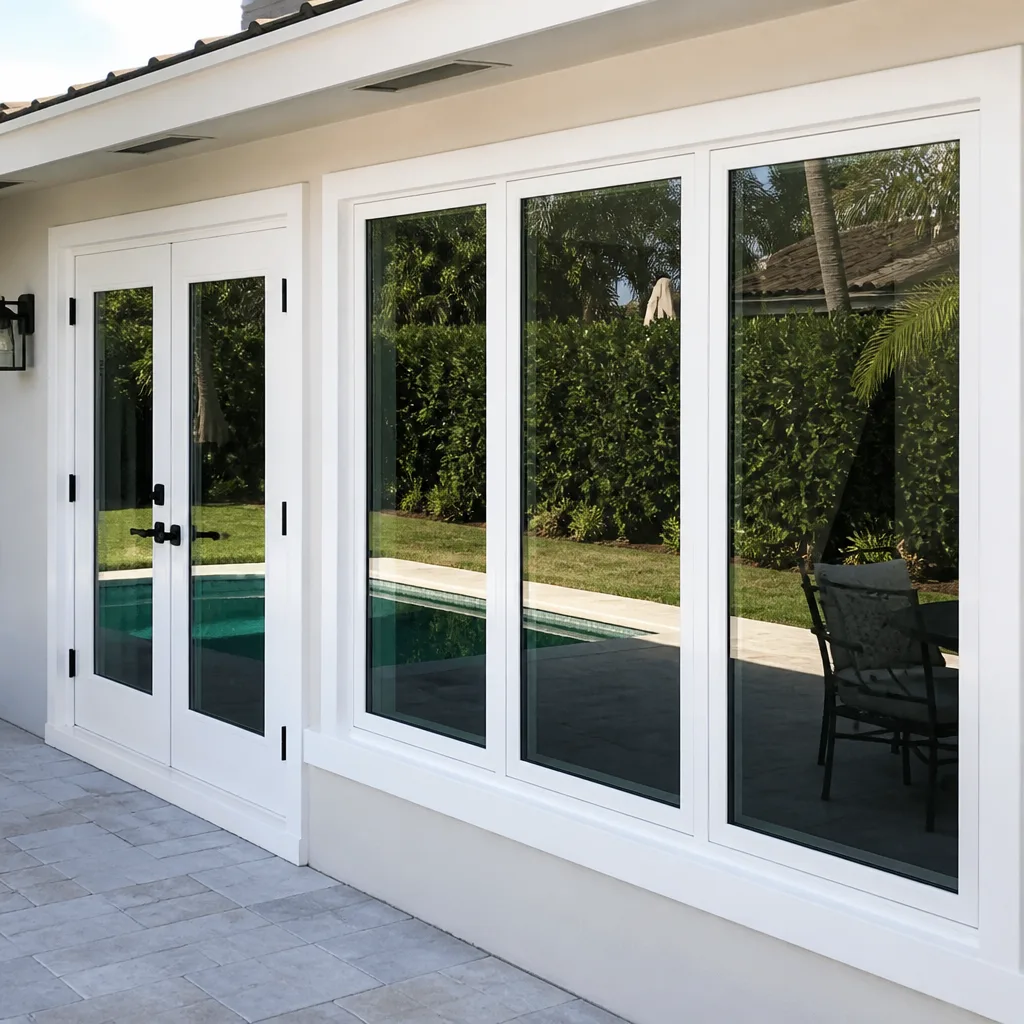 After
After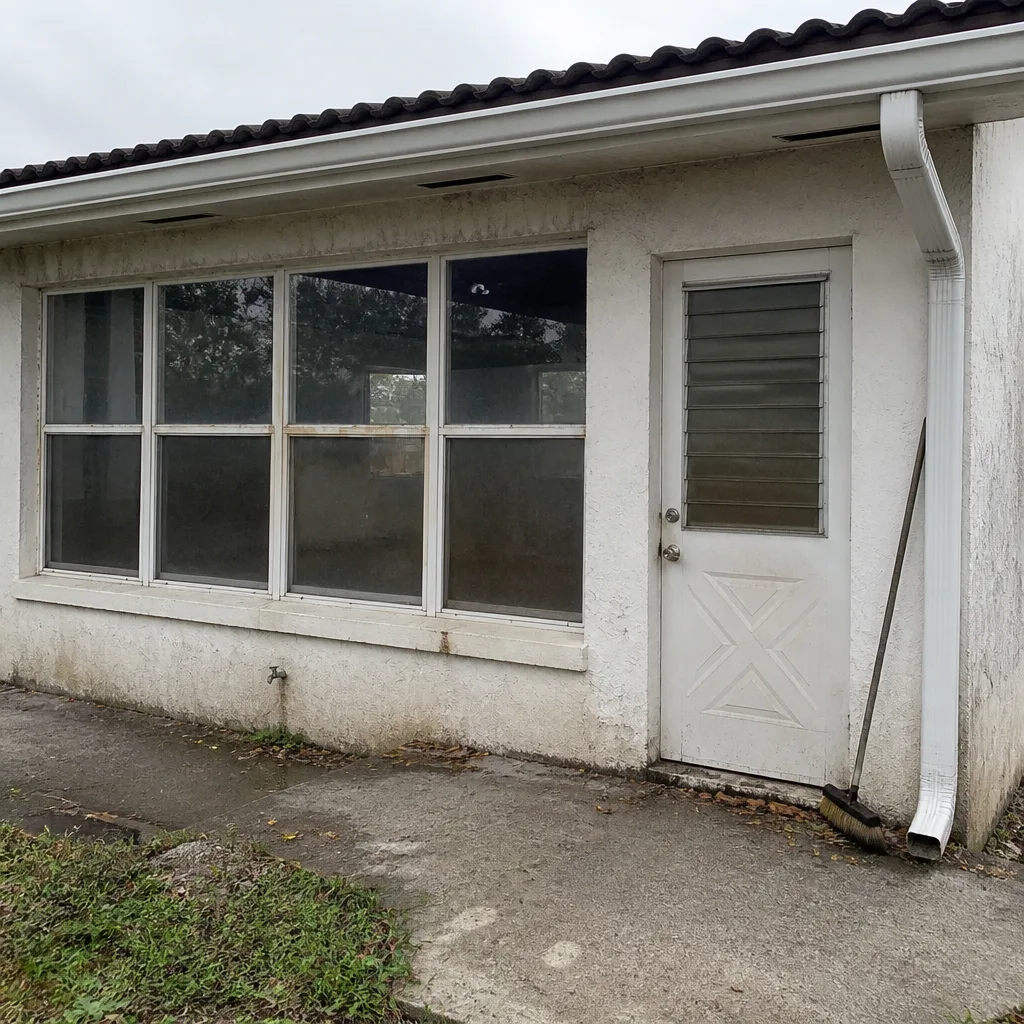 Before
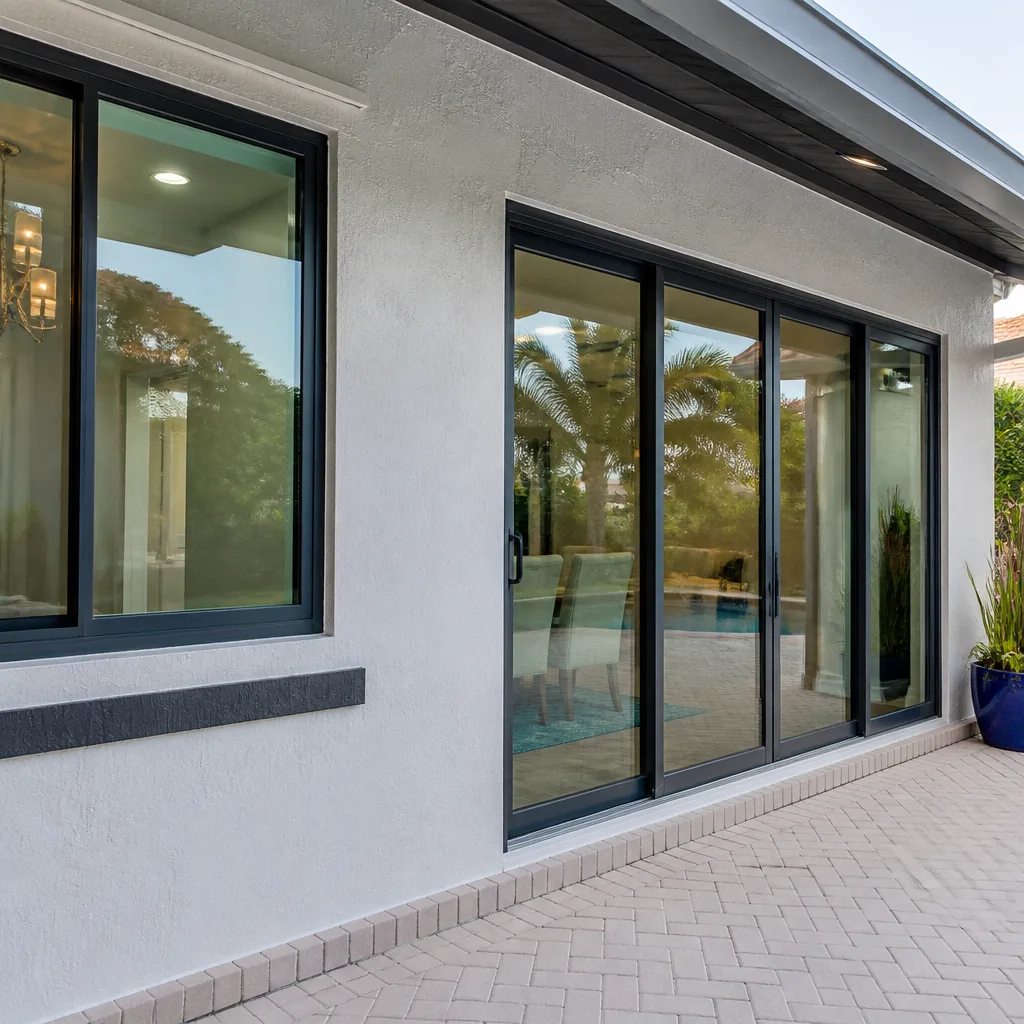 After
AfterWindows & Doors Permits, Codes & Inspections in FL: What You Need to Know
A window installed without a permit in Florida is classified as an “unpermitted improvement,” and Palm Beach County’s property appraisal records are searchable by insurers and buyers. That means an unpermitted opening replaced in 2023 can block a 2026 home sale or reduce a storm claim payout by the full cost of the work. In Boynton Beach, we’ve seen this exact scenario three times in the past eighteen months: a homeowner calls us for a quote, we pull the permit history, and find a previous install with no record. The fix is never cheaper than doing it right the first time. This guide maps Florida’s three-layer code system - state code, local amendments, and product approval requirements - so you know which layer governs which decision before you replace a single window or door. For more guides & resources, visit our blog.
Quick Answer
Most window and door replacements in Florida require a permit under the Florida Building Code, with Palm Beach County adding local amendments for wind-borne debris regions. Boynton Beach falls within the High-Velocity Hurricane Zone, so impact-rated products with Florida Product Approval or Miami-Dade NOA documentation are mandatory. See our Complete Guide to Windows & Doors in Boynton Beach for full product requirements. A compliant installation requires three inspection stages - rough-in, framing, and final - with each documented in the county’s ePZB portal.
Table of Contents
- Florida’s Three-Layer Code System
- Florida Product Approval vs. Miami-Dade NOA
- Which Replacements Trigger a Permit in Palm Beach County
- HVHZ vs. Wind-Borne Debris Region: What the Designations Actually Mean
- The Boynton Beach Inspection Sequence: What Inspectors Check at Each Stage
- How to Pull Your Permit History from Palm Beach County ePZB
- What Your Documented Record Should Show After Installation
- Common Mistakes to Avoid
 Before
 After
AfterFlorida’s Three-Layer Code System
Florida does not have a single building code. It has three overlapping authorities, and a compliant window or door installation must satisfy all three. Skip one layer and you have a defect that may not surface for years - until a sale, a refinance, or a storm damage claim.
Layer one: the Florida Building Code (FBC). This is the statewide minimum, updated every three years. The current edition governs structural requirements, energy efficiency, and life safety for all residential openings. For windows and doors, the FBC specifies design pressure ratings, egress requirements, and energy performance metrics including U-factor and SHGC (Solar Heat Gain Coefficient). Every product installed in Boynton Beach must meet or exceed the FBC baseline.
Layer two: local amendments. Palm Beach County and the City of Boynton Beach adopt the FBC but add their own requirements. Boynton Beach’s local amendments include stricter wind-borne debris provisions, specific inspection protocols, and in some zoning districts, aesthetic review for street-facing elevations. The county also maintains its own list of approved inspectors and requires electronic submission through the ePZB portal rather than paper plans.
Layer three: product approval. This is where Florida diverges from nearly every other state. Two separate approval systems exist: Florida Product Approval (state-level, governed by the Florida Building Commission) and Miami-Dade Notice of Acceptance or NOA (county-level, administered by Miami-Dade’s Building Code Compliance Office). Boynton Beach sits in the complicated middle - close enough to Miami-Dade’s influence that many contractors assume NOA is required, far enough north that some products carry only FBC approval.
Here is the rule: Florida Product Approval is the minimum everywhere in the state. Miami-Dade NOA is required only in Miami-Dade and Broward counties for most residential work. However - and this is the detail competitors miss - Boynton Beach addresses in the 33435, 33436, and 33437 ZIP codes that border the Broward County line, or that are within specific wind speed contours mapped by Palm Beach County, may trigger dual-approval requirements for certain product categories. We verify this for every measured survey we perform, because installing a product with only FBC approval where NOA is also required creates the same title defect as skipping the permit entirely.
The three layers interact in sequence. You select a product that carries the correct approval documentation. You apply for a permit that references the FBC plus local amendments. You install to the approved plans. You pass inspection at each required stage. Each step generates a record in ePZB. That record is what a buyer’s title search, a lender’s appraisal, or an insurance adjuster will examine.
Florida Product Approval vs. Miami-Dade NOA
These two approval systems are not interchangeable. Confusing them is the most common error we correct during our free second opinion reviews of competitor estimates.
Florida Product Approval is issued by the Florida Building Commission after a manufacturer submits test data proving the product meets FBC requirements for structural performance, water infiltration, and forced entry resistance. The approval is valid statewide and appears in the Florida Product Approval database with a unique approval number. For impact-rated windows and doors, the approval specifies the missile level (large or small), the design pressure rating, and the maximum opening size.
Miami-Dade NOA is issued by Miami-Dade County’s Building Code Compliance Office and is generally recognized as the more stringent standard. An NOA includes all the elements of Florida Product Approval plus additional testing for cyclic wind pressure and often more conservative allowable stresses. Historically, NOA was required only in Miami-Dade and Broward counties, but the influence of Miami-Dade’s code has spread northward.
For Boynton Beach homeowners, the practical question is: which approval does my specific address require? The answer depends on three factors:
- Wind speed contour. The FBC maps Florida into wind speed zones. Most of Boynton Beach is in the 170 mph contour, but pockets near the Intracoastal Waterway and in newer developments may fall under higher localized requirements.
- Product category. Impact garage doors and storefront systems more frequently trigger dual-approval requirements than residential windows.
- Insurance carrier requirements. Some insurers writing policies in Palm Beach County require Miami-Dade NOA documentation even when the building code does not, as a condition of windstorm coverage.
At Sightline, we specify products from our eight manufacturer lines - PGT, CGI, CWS, ES Windows, ECO Window Systems, Mr-Glass, Therma-Tru, and ViewLux - by what the opening requires, not by what is in stock. For a Boynton Beach home in the 33436 ZIP near the county line, we may specify a PGT impact window with both Florida Product Approval and Miami-Dade NOA. For a home in central 33435 with a standard replacement need, Florida Product Approval alone may suffice. The measured survey we provide documents this determination, and the written quote references the specific approval numbers.
Never accept a verbal assurance that a product is “hurricane rated.” The documentation must be specific: a Florida Product Approval number, an NOA number, or both. We include these numbers in every written scope we produce.
Which Replacements Trigger a Permit in Palm Beach County
Not every window or door replacement requires a permit, but the exceptions are narrower than most homeowners assume. Our Windows & Doors Warning Signs: A Boynton Beach Homeowner’s Reference Guide covers common red flags. Palm Beach County’s threshold rules, combined with Boynton Beach’s local amendments, create a specific decision framework.
Permit required:
- Any replacement of an exterior window or door in a wind-borne debris region where the existing opening is enlarged, reduced, or relocated
- Any replacement where the product type changes - for example, replacing a single-hung window with a sliding glass door, or a standard door with an impact-rated unit
- Any replacement in a structure built after March 1, 2002, when the current FBC wind-borne debris provisions took effect
- Any replacement with a total project value exceeding $1,000 in labor and materials (this is the county’s repair threshold, not a suggestion)
- Any replacement in a condominium or townhouse governed by a homeowners’ association where the association’s governing documents require permits for aesthetic or structural changes
Permit not required:
- Like-for-like replacement of an interior door with no structural, fire-rating, or accessibility changes
- Replacement of a broken pane in an existing window sash, provided the frame, glazing bead, and anchorage remain unchanged
- Installation of storm shutters on existing openings, provided the shutter system is listed as an approved protective device and does not modify the opening structure
The $1,000 threshold is the one that surprises homeowners. A single impact-rated window with installation labor will exceed this amount. Even a standard vinyl replacement window in a typical Boynton Beach ranch home often crosses the threshold once labor, disposal, and trim work are included. The threshold exists to exempt minor repairs - a broken lock, a screen replacement - not to excuse full window swaps.
We have reviewed competitor estimates where the contractor proposed “no permit needed” for a six-window replacement totaling $4,200. That is incorrect. The permit is required, and skipping it exposes the homeowner to the title and insurance risks described above. Our written quote always includes permit costs as a line item, with the permit type and estimated county fee specified. In Palm Beach County, residential window and door permits typically range from $85 to $340 depending on the scope and number of openings, with plan review fees adding $50 to $150 for projects requiring engineering review.
HVHZ vs. Wind-Borne Debris Region: What the Designations Actually Mean

These terms appear on every impact-rated product label and in every Florida building code discussion, but they describe different things. Misunderstanding the distinction leads to product selection errors that only surface at inspection or after a storm.
High-Velocity Hurricane Zone (HVHZ) is a geographic designation. It includes Broward and Miami-Dade counties and the Florida Keys. Palm Beach County is not in the HVHZ. Boynton Beach is not in the HVHZ. This matters because some product lines are marketed as “HVHZ-rated” and contractors assume that rating is required or superior. It is neither, for Boynton Beach. A product approved for HVHZ use will certainly perform here, but it may also cost 15-30% more than a product approved for the wind-borne debris region with equivalent design pressure ratings.
Wind-Borne Debris Region (WBDR) is a wind-speed-based designation. It applies to any area where the basic wind speed is 120 mph or greater - which includes all of Palm Beach County and therefore all of Boynton Beach. Within the WBDR, the FBC requires either impact-resistant coverings (shutters) or impact-rated glazing for all exterior openings. This is the designation that actually governs product selection for Boynton Beach homes.
The practical difference: an HVHZ product must meet additional testing protocols for cyclic pressure and flying debris that go beyond WBDR requirements. For a Boynton Beach home, specifying an HVHZ-only product when a WBDR-approved product with equivalent design pressure is available means paying for performance margin that the code does not require. Conversely, installing a non-impact-rated product in the WBDR - even an attractive, energy-efficient unit from a reputable manufacturer - is a code violation that will fail inspection and void windstorm coverage.
Our measured survey includes a wind speed lookup for the specific address. For a home in the Chapel Hill neighborhood near Woolbright Road, we may find a basic wind speed of 170 mph. For a waterfront home on the Intracoastal in the Tropic Isle area, localized mapping may indicate higher gust contours. The product we specify - whether from PGT’s impact line, ES Windows, or Mr-Glass - matches the actual requirement, not a blanket assumption.
The Boynton Beach Inspection Sequence: What Inspectors Check at Each Stage
Palm Beach County requires three inspection stages for most window and door replacements in Boynton Beach. Understanding what each inspector verifies helps you evaluate whether a contractor’s installation process will actually pass. We have been called to correct jobs that failed at rough-in because the contractor skipped a step that the written scope should have included.
Stage 1: Rough-in inspection. This occurs after old openings are removed and before new products are set. The inspector verifies:
- That the structural framing is intact and properly sized for the new opening
- That header beams meet span tables for the load above
- That waterproofing details - sill pan flashing, house wrap integration, sealant backer rod - are in place before the window is set
- That the opening dimensions match the approved plans within allowable tolerances
The rough-in is where most failures occur. A contractor who sets the window first and calls for inspection afterward has reversed the sequence. The inspector cannot verify concealed waterproofing. The fix is removal and reinstallation. Our Haven Standard requires photo documentation of the rough-in condition before the product is set, so the evidence exists whether or not the inspector visits on schedule.
Stage 2: Framing inspection. This occurs after the window or door is set but before interior trim and exterior finishing. The inspector verifies:
- That the product matches the approved plans - manufacturer, model, size, and approval number
- That anchorage meets the fastening schedule in the FBC or the manufacturer’s installation instructions, whichever is more stringent
- That shimming is continuous and supports the frame without distortion
- That perimeter sealant is applied to the correct width and depth
For impact-rated products, the inspector will verify that the glazing label is intact and legible, showing the design pressure rating and missile level. A scratched or removed label is a failure. We photograph every label before trim covers it, and the photo becomes part of the documented record the customer receives.
Stage 3: Final inspection. This occurs after all work is complete, including trim, hardware, and site cleanup. The inspector verifies:
- That the installation is complete and matches the approved scope
- That egress requirements are met - window sill height, opening area, and operation without tools
- That energy code documentation is submitted, including NFRC labels for U-factor and SHGC
- That the site is safe and all debris is removed
Passing final inspection generates a Certificate of Completion in the ePZB system. This is the document that clears the permit and creates the clean title record. Without it, the permit remains open and the improvement remains unpermitted in the county’s eyes.
Inspection scheduling in Boynton Beach typically requires 24-48 hours advance notice through ePZB. Re-inspection fees apply if the inspector arrives and the work is not ready. Our written scope includes inspection scheduling as a line item, with the understanding that we coordinate directly with the county and the homeowner is not responsible for scheduling logistics.
How to Pull Your Permit History from Palm Beach County ePZB
Every homeowner in Boynton Beach should know how to access their own permit record. It is free, public, and takes less than five minutes. We walk customers through this during our measured survey because the existing permit history often reveals information that affects our scope - previous unpermitted work, expired permits, or open permits that must be closed before new work can proceed.
Step-by-step:
- Navigate to the Palm Beach County ePZB portal
- Select “Search Permits” and choose “Address Search”
- Enter your full property address as it appears on your tax bill - including directionals (N, S, E, W) and unit numbers for condominiums
- Review the results table, which lists all permits by type, date, status, and contractor
- Click any permit number to view details, including inspection history and current status
What you are looking for: permits with status “CO Issued” (Certificate of Completion) are closed and clean. Permits with status “Expired,” “Void,” or “Open” require attention. An expired permit for window work from 2019 means that work was started but never completed to inspection - a title defect. An open permit with no recent activity may indicate a contractor who abandoned the job or an inspection that was never called for.
We have found expired permits on homes in the Hunters Run community, the Meadows of Boynton, and along Ocean Avenue - it is not neighborhood-specific. The common thread is a contractor who pulled the permit to start work but did not follow through to completion. The homeowner often does not know until they try to sell or until we pull the history during our survey.
If you find an expired or open permit for previous window or door work, the remedy is typically to apply for a re-inspection or, in some cases, a new permit that references the existing work. The cost and complexity depend on how much time has passed and whether the original contractor is still in business. We have handled these corrections as standalone projects, with the written scope documenting exactly what is needed to clear the record.
What Your Documented Record Should Show After Installation
A compliant installation in Boynton Beach generates a specific paper and digital trail. We provide this documentation to every customer as part of our standard process - not as an upsell, but as Haven Clause 4 (Evidence on Every Job). Here is what the complete record should include, and why each piece matters for your title, your insurance, and your resale value.
The permit application. This document shows the scope of work, the products specified, and the contractor’s license and insurance information. It should reference the specific Florida Product Approval or NOA numbers for each product. We include a copy in the customer’s project folder.
The approved plans. For most residential window and door replacements, these are minimal - perhaps a single page showing opening locations and product schedules. For larger projects or structural modifications, engineered drawings may be required. The approved plans bear the county’s stamp and the plan reviewer’s signature.
Inspection records. The ePZB system generates a record for each inspection attempt - pass, fail, or re-inspection. A clean job shows “Pass” for rough-in, framing, and final. We screenshot these records and include them in the customer’s documentation. A failed inspection is not necessarily a red flag if it was corrected promptly; a pattern of multiple failures suggests contractor competence issues.
The Certificate of Completion. This is the document that closes the permit. It should appear in ePZB within a few days of final inspection. We verify this for every job and notify the customer when the permit is officially closed. Without this certificate, the permit remains open indefinitely.
The manufacturer’s documentation. This includes installation instructions, warranty information, and product data sheets showing energy performance metrics. For impact-rated products, it includes the specific approval documentation with test data. We organize this by opening and include it with the photo record.
The photo record. Our standard documentation includes pre-installation photos of each opening, rough-in condition photos, installed-product photos with glazing labels visible, and completed-work photos. The customer receives these organized by room and date. This is not marketing photography - it is evidence of compliance, useful if questions arise years later.
The written warranty. Our 365-Day Done Right Promise is written into the Haven Standard and documented on every job. Manufacturer warranties vary by product line - PGT and CGI offer limited lifetime warranties on certain impact products, Therma-Tru provides specific door system coverage, ViewLux and others have their own terms. We compile these into a single warranty packet the customer keeps.
A buyer’s title search will examine the ePZB record for open permits. An insurance adjuster after a storm will request documentation that the products installed were approved for the wind speed at that address. A refinance appraisal may require proof that improvements were permitted. The complete record answers all three questions without additional research or cost.
Common Mistakes to Avoid

- Assuming “like-for-like” exempts you from permits. In Boynton Beach’s wind-borne debris region, replacing a 1995 window with a 2024 window is not like-for-like under the code, even if the dimensions match. The product standards have changed, and the permit is required.
- Accepting “the contractor handles permits” without verification. We have reviewed jobs where the contractor claimed to pull the permit but never did, or pulled it in their name rather than the homeowner’s, creating liability issues. Verify the permit exists in ePZB before final payment.
- Installing HVHZ-only products in Boynton Beach. These products will perform, but you may pay 20% more for approval margin you do not need. The correct product carries Florida Product Approval for the 170 mph wind speed at your specific address.
- Covering glazing labels before inspection. The framing inspector must read the label to verify the product matches the approved plans. Trim installed too early means label removal or re-inspection fees. We schedule trim installation after framing inspection passes.
- Ignoring expired permits from previous owners. An expired permit from 2017 for a patio door replacement is your problem when you sell in 2026. Check ePZB during your purchase due diligence, and address open items before they complicate your transaction.
- Skipping the measured survey. A contractor who quotes from satellite imagery or a brief walkthrough cannot document the actual opening conditions, structural considerations, or product approval requirements. Our measured survey produces the document the quote is built from - and the customer keeps that document.
- Choosing products by brand name rather than approval number. A well-known brand does not guarantee code compliance for your specific address. We specify from PGT, CGI, CWS, ES Windows, ECO Window Systems, Mr-Glass, Therma-Tru, and ViewLux by what the opening requires, with approval numbers written into the scope.
When to Call a Professional
Call a licensed contractor when your project involves exterior openings in Boynton Beach’s wind-borne debris region, when your permit history shows expired or open permits, or when you need documentation that your installation will pass inspection and protect your title. The cost of professional installation includes the permit, the inspection coordination, and the documented record - not just the product in the opening.
Sightline Windows & Doors Boynton Beach offers free estimates in Boynton Beach. Every estimate begins with a measured survey you keep, and the written quote cannot differ from that document. If you have a competitor’s estimate, we also offer a free second opinion - we will review their scope, their product specifications, and their permit approach at no charge. Call (561) 421-3844 to schedule.
Frequently Asked Questions
Residential window and door permits in Palm Beach County typically range from $85 to $340 for the base permit, plus $50 to $150 for plan review if engineering is required. The total depends on the number of openings, the project value, and whether the work is in a condominium requiring additional association review. Call (561) 421-3844 for an exact quote on your specific scope - estimates are free.
No. Haven Clause 1 requires that the written price and the measured survey are the same document. The only circumstance where the price changes is if concealed conditions are found during installation - rotted framing, for example - and even then, we document the condition with photos and obtain written approval before proceeding. The quote you sign is the invoice you pay.
We pull the permit as the licensed contractor of record. The permit appears in your property’s ePZB history, and you receive copies of all documentation. You are not responsible for scheduling inspections or coordinating with the county - that is included in our scope.
From permit issuance to final Certificate of Completion, most residential window and door projects require two to four weeks. This includes time for plan review, three inspection stages with 24-48 hours scheduling notice, and any corrections. Complex projects or those requiring engineering review may take longer. We include a projected timeline in every written scope.
Homeowners’ associations in communities like Chapel Hill, The Meadows, or Hunter’s Run may require architectural review before permit application. We have worked in most Boynton Beach HOAs and can identify the specific approval process for your community. The HOA approval is separate from the building permit and must be completed first - we coordinate both as part of our standard process.
Florida law allows homeowners to act as their own contractor on their primary residence, but the permit application requires proof of competency, and the homeowner assumes full liability for code compliance and inspection passage. For impact-rated products in the wind-borne debris region, the fastening schedule, waterproofing details, and documentation requirements are technical and unforgiving. Most homeowners who attempt this find that the cost of failed inspections exceeds the cost of professional installation. We do not recommend it for exterior openings in Boynton Beach.
Impact-rated windows carry a permanent label in the glazing showing the design pressure rating, the missile level (large or small), and the approval number. The label is typically in a corner of the glass and includes the manufacturer’s name and the Florida Product Approval or NOA number. If the label is missing or illegible, the window cannot be verified as impact-rated without destructive testing or manufacturer records. During our measured survey, we inspect existing labels and document what we find - if the label is absent, we note that the opening requires a rated replacement to meet current code.
The Bottom Line
Florida’s three-layer code system - state FBC, local Palm Beach County amendments, and product approval requirements - governs every window and door replacement in Boynton Beach. Skipping a permit, confusing Florida Product Approval with Miami-Dade NOA, or installing non-compliant products creates defects that surface at sale, at refinance, or after a storm. The protection is procedural: verify your permit history, specify products by approval number not brand name, pass each inspection stage, and keep the complete documented record. The cost of doing this correctly is built into professional installation. The cost of doing it wrong is measured in denied claims, delayed closings, and rework.
Written by Sonia Raman, Owner at Sightline Windows & Doors Boynton Beach, serving Boynton Beach since 2012.