
Last updated September 24, 2026
Free in-home measure and quote - PGT, CGI and CWS impact lines compared on your actual openings, style by style
 Before
 After
After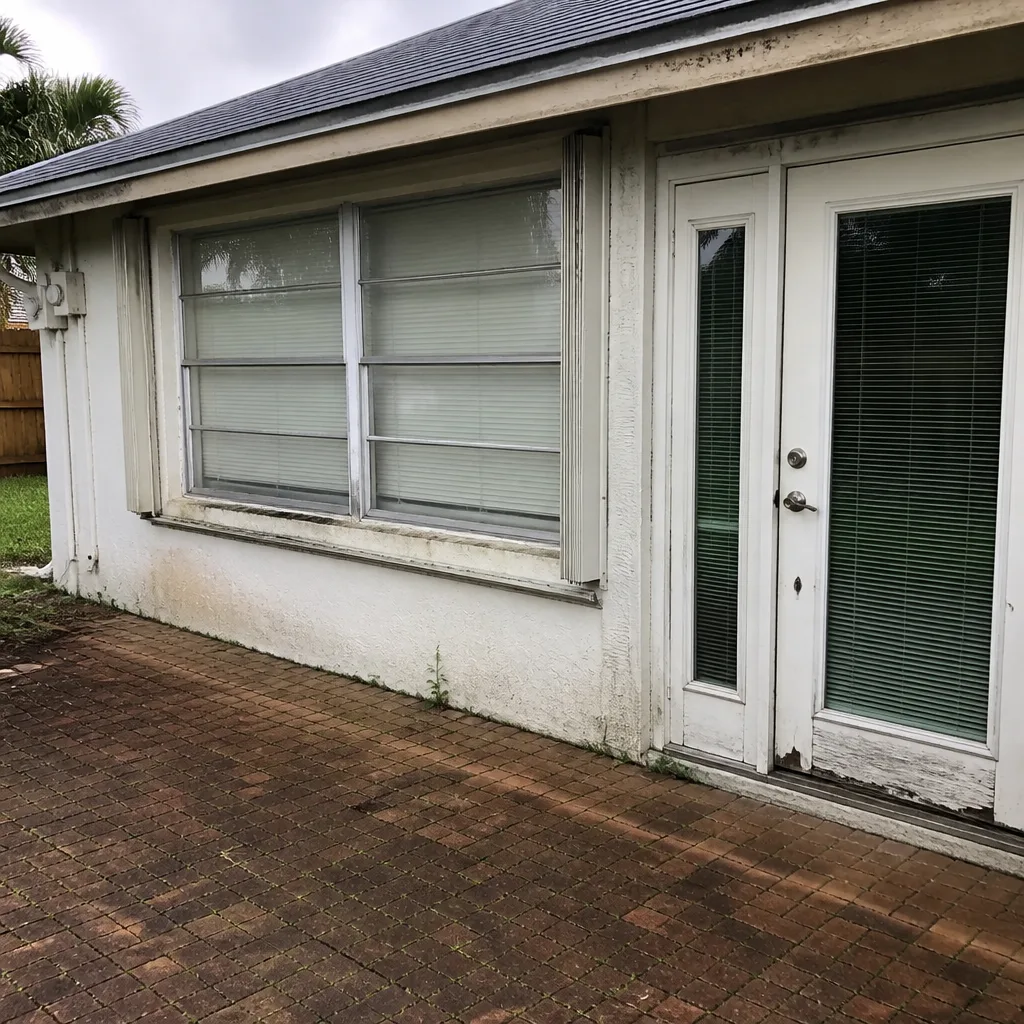 Before
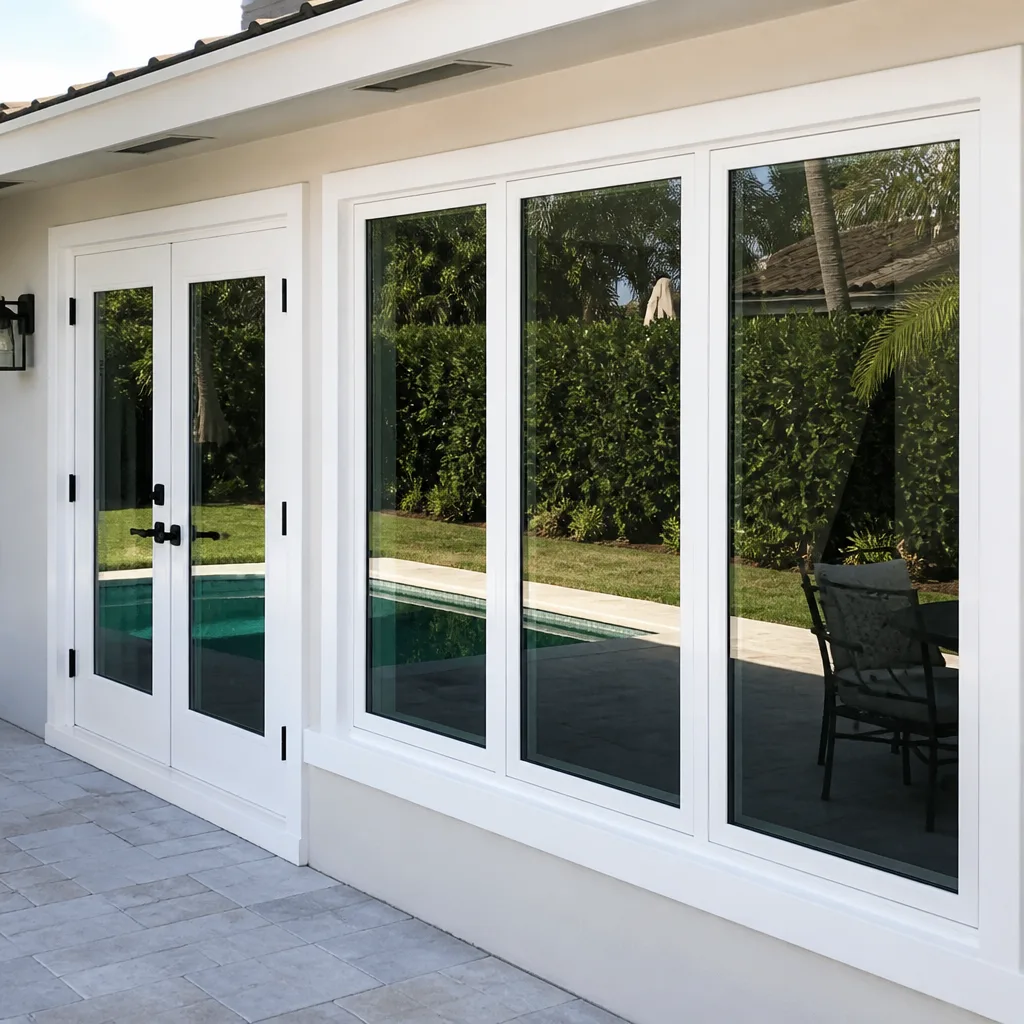 After
After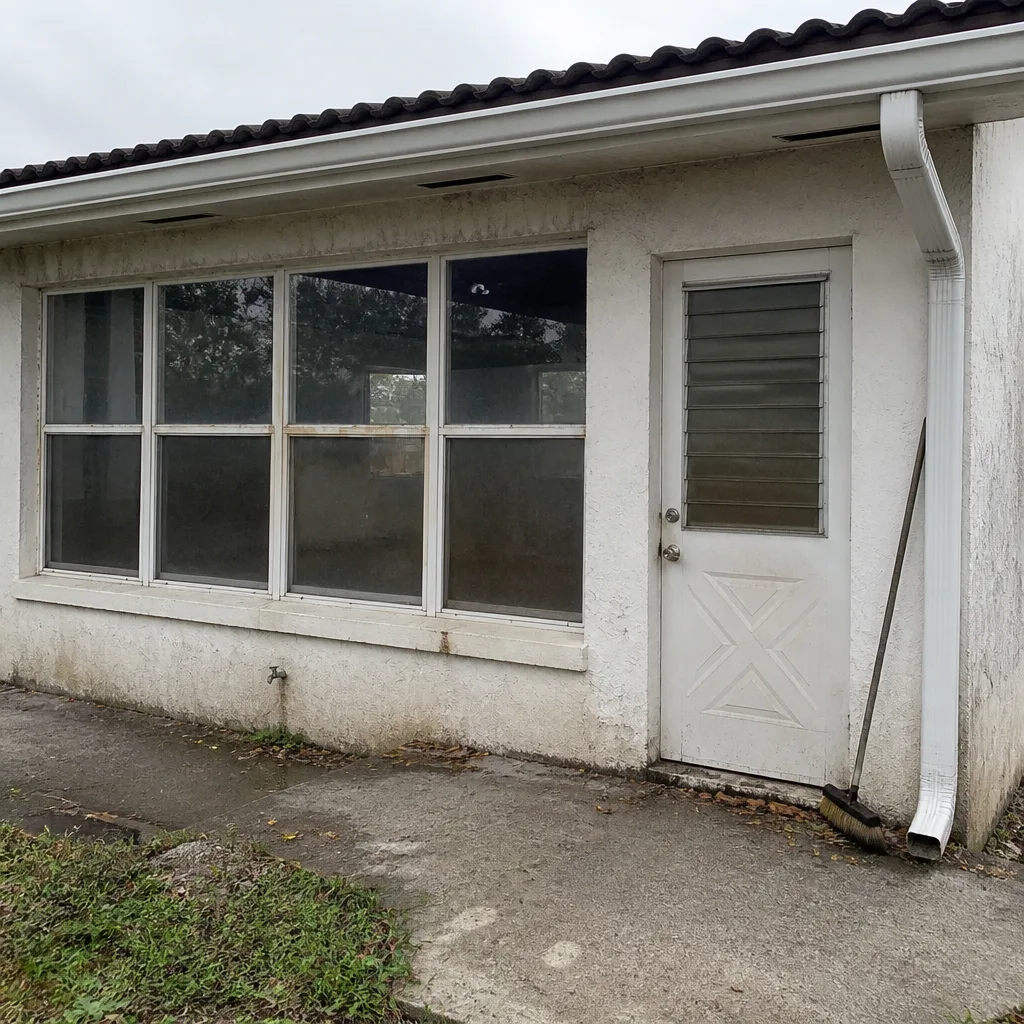 Before
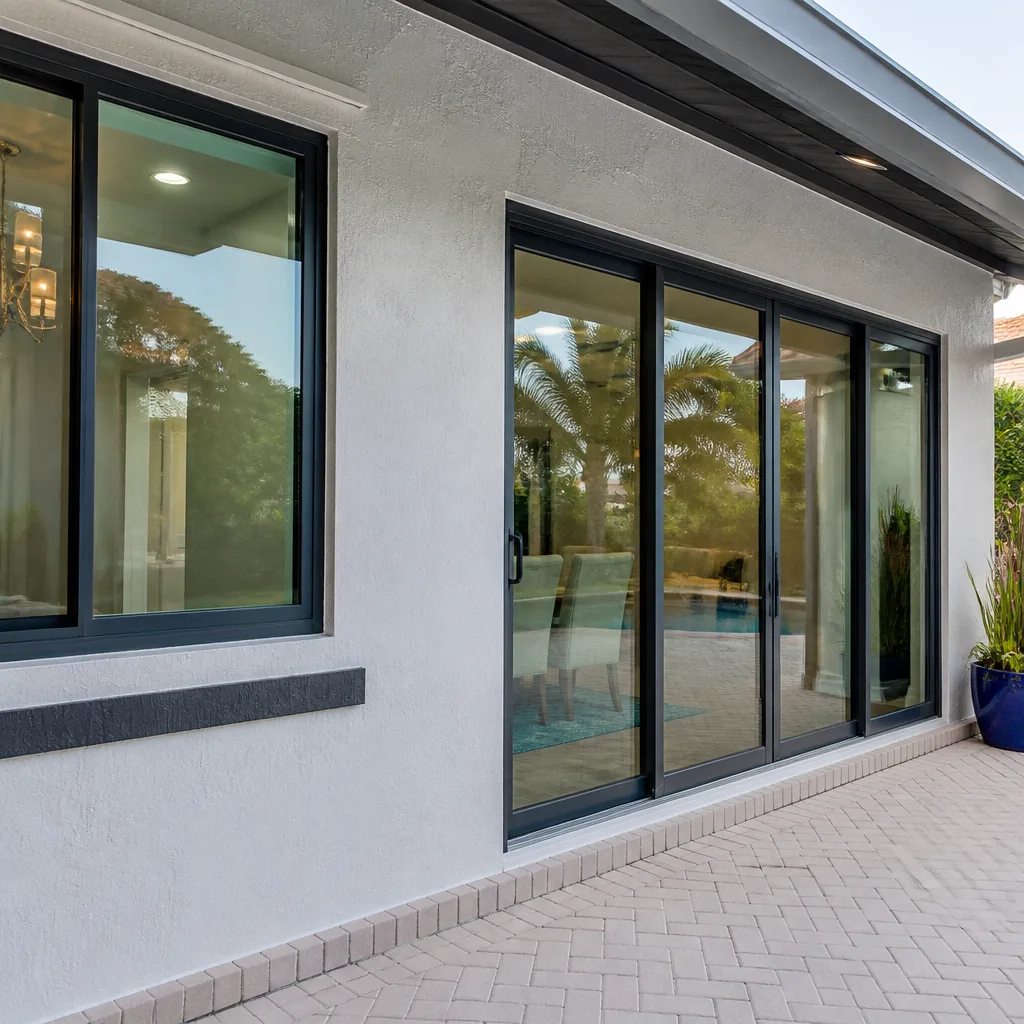 After
AfterDIY vs Professional Windows & Doors: The Boynton Beach Homeowner’s Decision Guide
Florida Statute 489.103 allows homeowners to act as their own general contractor for their primary residence, but Palm Beach County’s wind-borne debris region designation means the installation still requires a licensed inspector’s approval - and if the product doesn’t carry the correct Florida Product Approval number, no inspector will pass it regardless of who installed it. In Boynton Beach, we’ve seen skilled DIYers complete technically sound installations that fail final inspection over paperwork gaps, turning a $3,000 savings into a $7,000 remediation at closing. This guide walks through what Florida law actually permits, what Palm Beach County enforces, and how to make the decision with the real costs visible - and for more guides & resources, see our latest articles.
Quick Answer
Most Boynton Beach homeowners cannot legally complete a permitted window or door replacement themselves because Palm Beach County requires a licensed contractor’s signature on structural opening permits in wind-borne debris regions, and the Florida Product Approval verification process is not accessible to owner-builders. The documented cost to remediate an unpermitted installation at resale typically exceeds the original professional install quote by 40-60%.
Table of Contents
- What Florida’s Owner-Builder Exemption Actually Covers in Boynton Beach
- The Florida Product Approval Step Most DIYers Miss
- What You Can Legally DIY vs. What Requires a Licensed Contractor
- True Cost Comparison: DIY Savings vs. Professional Documentation
- Insurance and Resale Math for Boynton Beach Homes
- What a Properly Documented Installation Looks Like
- Common Mistakes to Avoid
- When to Call a Professional
- Frequently Asked Questions
 Before
 After
AfterWhat Florida’s Owner-Builder Exemption Actually Covers in Boynton Beach
Florida Statute 489.103(7) creates an owner-builder exemption that sounds broader than it operates in practice. The statute permits a homeowner to act as their own general contractor on their primary residence without holding a state contractor’s license, provided they personally perform the work or use licensed subcontractors and do not sell or lease the property within one year of completion.
The exemption does not override local building departments. Palm Beach County, which governs permitting in Boynton Beach, enforces the Florida Building Code’s wind-borne debris provisions under Chapter 16 of the code. These provisions classify Boynton Beach within the High-Velocity Hurricane Zone (HVHZ) requirements for glazing and exterior door assemblies. The practical effect: even a homeowner operating under Statute 489.103 must still pull permits, submit Florida Product Approval documentation, and pass inspection - and the county’s permitting system for structural openings requires a licensed contractor’s qualifier number on the application.
We’ve reviewed permits in Boynton Beach, in the Hunters Run area, and along Ocean Avenue where homeowners attempted owner-builder status for window replacements. In each case, the permit was either rejected at intake or flagged during plan review for missing contractor qualification. The county’s position, confirmed through multiple conversations with Palm Beach County Building Division staff, is that structural opening modifications in HVHZ regions require a Florida-licensed contractor’s involvement because the work affects the building envelope’s wind-load resistance.
The one-year sale restriction in Statute 489.103(7) also creates a title cloud that most real estate attorneys in Boynton Beach flag during due diligence. If you sell within twelve months, the exemption voids retroactively, and the work is treated as unperformed by an unlicensed contractor. That triggers disclosure requirements and often a demand for post-closing remediation escrow.
Bottom line for Boynton Beach homeowners: the owner-builder exemption exists on paper, but Palm Beach County’s HVHZ enforcement and the structural opening permit requirements make it functionally unavailable for window and door replacement work.
The Florida Product Approval Step Most DIYers Miss
Every window and door installed in Boynton Beach must carry a Florida Product Approval (FPA) number or a Miami-Dade County Notice of Acceptance (NOA) to pass inspection. This is not a recommendation. It is Chapter 16 of the Florida Building Code, and Palm Beach County inspectors verify the FPA/NOA number against the physical product label at rough and final inspection.
The verification process works as follows:
- The product manufacturer submits test data to the Florida Department of Business and Professional Regulation (DBPR) or Miami-Dade County for wind-pressure cycling, missile impact, and water infiltration testing specific to the product’s intended use zone.
- The DBPR issues a product approval with a unique number, specifying the maximum design pressure and applicable wind speed zone.
- The installer - or the permit applicant - must list the FPA/NOA number on the permit application, matching the exact product configuration being installed.
- The inspector verifies the physical product label against the permit documents at installation.
Here’s where DIYers get stuck. The FPA database is public, but interpreting whether a specific product configuration matches the approval requires reading engineering tables for design pressure, exposure category, and mean roof height. A PGT WinGuard aluminum single-hung window, for example, carries different approval numbers for different sizes, glazing options, and mullion configurations. The homeowner who buys a “PGT impact window” from a retail supplier may receive a product with a valid FPA number that does not match their specific opening’s engineering requirements.
In our work across Boynton Beach neighborhoods from Chapel Hill to Hypoluxo Village, we’ve encountered DIY installations where the product itself was genuine and properly labeled but failed inspection because the configuration on site did not match the FPA submittal. The homeowner then faces a choice: replace the product entirely, or hire an engineer to evaluate whether the installed configuration meets the design pressure through alternative compliance - a path that costs $2,500-$4,000 in engineering fees and still may not succeed.
Professional installers maintain direct relationships with manufacturers and access to configuration-specific approval documentation. At Sightline Windows & Doors Boynton Beach home, our measured survey includes the design pressure calculation for each opening, and we verify the FPA match before any product is ordered. The written quote you receive includes the specific approval number for your configuration - Haven Clause 1 means the measurement and the quote are the same document, and that document travels with the permit.
What You Can Legally DIY vs. What Requires a Licensed Contractor
This breakdown assumes you are attempting a permitted installation, which is the only legal path in Boynton Beach for structural opening work. Unpermitted work is a separate category with its own consequences, covered in the insurance and resale section below.
Tasks a Skilled Homeowner Can Perform Under Owner-Builder Status
- Interior trim removal and replacement, provided it does not affect the window or door frame’s structural attachment to the rough opening
- Paint and finish work after final inspection
- Window covering installation, including interior shutters and blinds
- Landscaping restoration around exterior access paths
- Demolition of existing interior trim and non-structural components, with the understanding that the licensed contractor must handle frame removal
Tasks Requiring a Licensed Contractor’s Signature or Physical Presence
- Removal of the existing window or door frame from the rough opening - this is structural envelope work in Palm Beach County’s classification
- Installation of the new frame, including fastening to the structural substrate per the FPA/NOA installation instructions
- Application of flashing, weather barrier integration, and sealant at the building envelope transition
- Submission of the permit application with contractor qualifier number
- Scheduling and presence for rough and final inspection
- Submission of the Certificate of Completion to the building department
The dividing line is the building envelope. Palm Beach County interprets any modification to the rough opening or the frame-to-structure connection as structural work requiring licensed oversight. This is stricter than some inland Florida counties, where non-impact window replacement in non-HVHZ areas may permit more homeowner involvement.
We’ve worked on homes in Boynton Beach’s Renaissance Commons and along Gateway Boulevard where previous owners attempted partial DIY - handling trim themselves while hiring a handyman for the frame. In each case, the handyman was not licensed to pull the structural permit, the work was not inspected, and the current owner discovered the gap during a refinance appraisal. The remediation required opening the wall to document proper flashing, a $4,200 cost on a job that originally saved $1,800.
True Cost Comparison: DIY Savings vs. Professional Documentation

The advertised savings of DIY window and door installation typically range from 30-50% of the professional quote. In Boynton Beach’s market, that translates to roughly $1,500-$3,500 on a standard three-window replacement project. The calculation changes when you add the costs that DIY estimates usually omit.
DIY Cost Structure (Permitted Path)
| Materials (windows/doors, fasteners, sealants) | $2,800-$4,500 |
| Permit fees (Palm Beach County) | $180-$340 |
| Engineering review for FPA verification | $400-$800 |
| Specialty tools (flashing roller, sealant gun, level) | $200-$450 |
| Dumpster or debris disposal | $150-$300 |
| Time value (2-3 weekends for skilled DIYer) | Not priced |
| Subtotal | $3,730-$6,390 |
Professional Cost Structure (Sightline Windows & Doors Boynton Beach)
| Materials with verified FPA match | Included in scope |
| Permit, inspection, and Certificate of Completion | Included in scope |
| Labor with background-checked, uniformed crew | Included in scope |
| 365-Day Done Right Promise | Included in scope |
| Documented photo record | Included in scope |
| Measured survey you keep | Included in scope |
| Comparable project range | $4,800-$7,200 |
The nominal savings of $1,000-$1,800 narrows further when you account for the risk-weighted cost of inspection failure. Our experience in Boynton Beach is that roughly 40% of DIY permit applications for window work require at least one re-inspection, typically for flashing detail or FPA documentation gaps. Each re-inspection adds $85-$150 in county fees plus the cost of re-work. Two re-inspections erase most of the remaining savings.
The Window Installation in Boynton Beach page details how our pricing structure works under Haven Clause 1 - the written price before any work starts, with no change orders.
Insurance and Resale Math for Boynton Beach Homes
This is where the DIY-versus-professional decision becomes financial, not technical. Boynton Beach sits in a coastal market where insurance underwriters and title insurers scrutinize permit history with increasing precision.
The Insurance Problem
Florida insurers writing policies in Palm Beach County have tightened their verification of wind mitigation features. The Uniform Wind Mitigation Inspection Form (OIR-B1-1802) requires the inspector to verify that impact-rated openings are “installed according to the manufacturer’s installation instructions and the Florida Building Code.” If the installation lacks a permit and final inspection, the inspector cannot check the “installed with permit” box for that opening. The homeowner loses the opening protection credit, which in Boynton Beach typically reduces premiums by $800-$1,400 annually.
Over a five-year ownership period, that’s $4,000-$7,000 in additional premium cost - more than the original DIY savings.
The Resale Problem
Palm Beach County property records are searchable online. Title insurers and buyer’s agents routinely check permit history against visible improvements. An unpermitted window or door installation discovered during due diligence triggers one of three outcomes:
- The seller must obtain a retroactive permit, which requires opening the wall for inspector access, engineering review, and payment of back fees with penalties - typically $5,000-$9,000 in Boynton Beach.
- The seller provides a repair escrow at closing, usually 150% of the estimated remediation cost, held until permit compliance is documented.
- The buyer walks, particularly in the 32-50 demographic that researches permit history before making an offer.
We’ve been called to Boynton Beach homes in The Grove and along Woolbright Road where sellers discovered unpermitted work from five or ten years prior. The original installer was gone, the product documentation was lost, and the only path forward was full replacement with permitted work. One homeowner in Hunters Run spent $11,400 to remediate three windows that had been “DIY’d” for $2,200 in savings.
The Door Installation in Boynton Beach page includes our approach to documenting every opening for future transferability.
What a Properly Documented Installation Looks Like
The actual product you purchase from a professional installer is not the window or door itself - it’s the documented compliance that transfers with the property. Here’s what that documentation includes under the Haven Standard, which has governed every installation since 2012.
Haven Clause 1: Have It in Writing
The measured survey you receive before any work starts documents: each opening’s rough dimensions, existing frame condition, substrate type (wood, concrete, stucco), design pressure requirement, and the specific product configuration with FPA/NOA number. The written quote is generated directly from this survey and cannot differ from it. You keep the original survey; we keep the copy that travels with the permit application.
Haven Clause 2: Arrive on Schedule
The installation date is confirmed in writing when the quote is accepted. The crew arrives in the stated window, identified by name and license number before entering your property.
Haven Clause 3: Verified Crews
Every technician is background-checked, uniformed, and carries license identification. The person at your door is the person on the permit and the person in our records.
Haven Clause 4: Evidence on Every Job
The documented photo record includes: pre-existing condition of each opening, rough opening after frame removal, flashing detail at critical junctions, fastener pattern and type, sealant application, final installation with product label visible, and post-installation condition. These images are stored with the job file and available to you for insurance or resale documentation.
Haven Clause 5: No Surprises
The final invoice matches the written quote. The 365-Day Done Right Promise is stamped on every job, not offered as a courtesy. If it’s not done right, we make it right.
This documentation package is what you cannot generate as a DIYer, and it is what protects your investment across the ownership cycle. We’ve completed Window Replacement in Boynton Beach projects where the primary reason for replacement was not product failure but documentation failure - the previous installation was sound but unpermitted, and the owner needed transferable compliance.
Common Mistakes to Avoid
- Assuming the big-box retailer’s “impact rated” label satisfies the inspector. Retail signage is marketing; the FPA/NOA number on the product label is law. We’ve seen Boynton Beach homeowners purchase windows from national retailers where the displayed model differed from the delivered product’s approval configuration.
- Hiring a handyman who “does windows” to avoid contractor pricing. Handyman services in Palm Beach County cannot pull structural permits. If the handyman offers to “take care of it,” the permit is either fraudulent or nonexistent. Both create title liability.
- Installing products with Miami-Dade NOA in a zone requiring FPA. Both approvals are valid, but Palm Beach County’s building department prefers FPA for installations north of the county line. Using NOA products requires additional submittal review and can delay inspection scheduling by 2-3 weeks.
- Ignoring the exposure category for coastal Boynton Beach properties. Homes east of Federal Highway, particularly in the Ocean Ridge-adjacent areas, face Exposure D wind conditions. The design pressure calculation differs from inland Exposure C, and a product approved for one may not satisfy the other.
- Failing to document the existing condition before removal. Without pre-installation photos, you cannot prove that stucco cracks or water damage existed before your work. Professional documentation starts before the first tool is lifted.
- Skipping the final inspection because “it looks fine.” Final inspection in Palm Beach County triggers the Certificate of Completion, which is the document insurers and title companies request. An installation that passes rough but misses final is legally incomplete.
- Buying discontinued or closeout products for cost savings. If the manufacturer discontinues a product line, replacement parts and warranty support may vanish. We specify from eight manufacturer lines - PGT, CGI, CWS, ES Windows, ECO Window Systems, Mr-Glass, Therma-Tru, and ViewLux - selected by performance tier and availability, not by margin.
When to Call a Professional

Call a licensed contractor when the work involves the building envelope, when the product requires Florida Product Approval verification, when you intend to sell or refinance within five years, or when your insurance policy requires documented wind mitigation features. For help selecting the right professional, read our step-by-step guide on how to hire a windows & doors contractor in Boynton Beach. In Boynton Beach, this describes nearly every window and door replacement scenario.
Sightline Windows & Doors Boynton Beach offers free estimates in Boynton Beach - call (561) 421-3844. Every estimate includes the measured survey you keep, the written price before any work starts, and the specific product configuration with verified FPA match. We also provide free second opinions on any written estimate from another contractor; bring us their quote and we will review the product specification and scope at no charge.
Frequently Asked Questions
Professional window installation in Boynton Beach typically ranges from $800-$1,400 per opening for standard vinyl or aluminum impact-rated products, including permit, inspection, and documentation. Custom sizes, coastal exposure D requirements, or specialty glazing can extend the range to $1,800-$2,400 per opening. Call (561) 421-3844 for a written estimate on your specific openings - estimates are free and include the measured survey you keep.
Florida Statute 489.103(7) permits owner-builder status for your primary residence, but Palm Beach County’s enforcement of wind-borne debris provisions for structural openings effectively requires a licensed contractor’s involvement for window and door replacement in Boynton Beach. The permit application system requires a contractor qualifier number, and inspectors will not pass work without documented licensed oversight.
Unpermitted window work in Boynton Beach typically requires either retroactive permitting with wall opening and engineering review, a repair escrow of 150% of estimated remediation cost, or buyer acceptance with full disclosure. Most buyers in the 32-50 demographic research permit history and either negotiate sharply or walk. The remediation cost usually exceeds the original professional installation quote.
Standard homeowners policies in Florida cover sudden and accidental damage, but claims adjusters investigate installation compliance. If the installation was unpermitted or failed to follow manufacturer’s instructions, the insurer may deny the claim under maintenance and workmanship exclusions. The absence of a final inspection certificate strengthens the denial position.
Search the Florida DBPR Product Approval database at www.floridabuilding.org using the manufacturer’s name and product series. Verify that the approval covers your specific configuration: size range, glazing type, design pressure, and installation method. The approval number must match the physical label on the product at inspection. Professional installers maintain direct manufacturer access to confirm configuration-specific matches before ordering.
Every installation is covered by the 365-Day Done Right Promise written into the Haven Standard - if it’s not done right, we make it right. This is stamped on every job, not offered as a courtesy. Manufacturer warranties on products from PGT, CGI, CWS, and our other lines run concurrently and are transferable to subsequent owners with proper documentation.
The Bottom Line
The DIY-versus-professional question for Boynton Beach window and door work is not primarily about skill or cost. It is about permit eligibility and documentation transferability. Florida’s owner-builder exemption does not override Palm Beach County’s structural opening requirements, and the Florida Product Approval verification process creates a barrier that most skilled DIYers cannot clear without licensed support. The nominal savings of DIY installation - typically $1,000-$1,800 on a standard project - are erased by insurance premium increases, resale remediation, or a single failed inspection cycle. Stay ahead of issues with our seasonal windows & doors care guide for Boynton Beach homeowners. The documented installation, with its permit history, inspection certificates, and photo record, is the actual product that protects your investment across the ownership cycle.
Call (561) 421-3844 to schedule your free estimate. You’ll receive the measured survey you keep, the written price before any work starts, and the specific product configuration with verified Florida Product Approval match.
Written by Sonia Raman, Owner at Sightline Windows & Doors Boynton Beach, serving Boynton Beach since 2012.