
Last updated September 24, 2026
Free in-home measure and quote - PGT, CGI and CWS impact lines compared on your actual openings, style by style
 Before
 After
After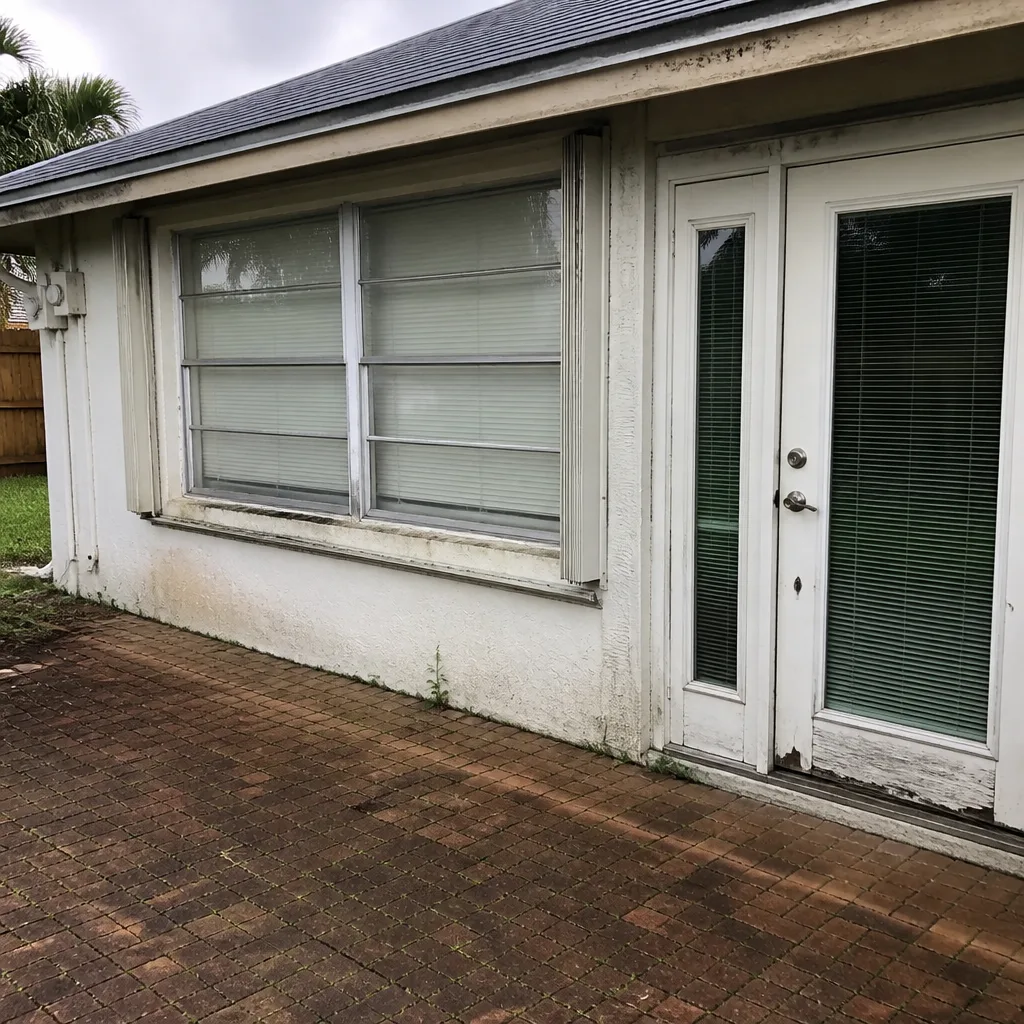 Before
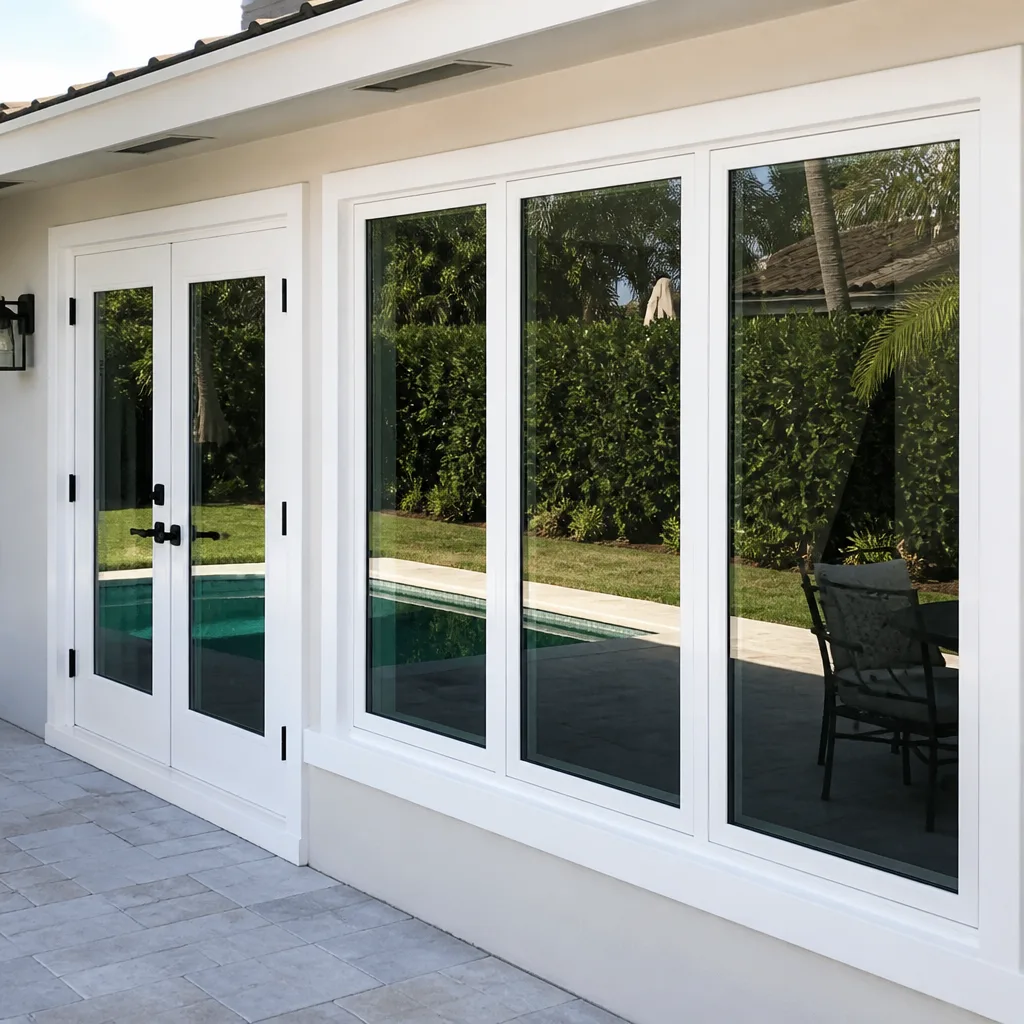 After
After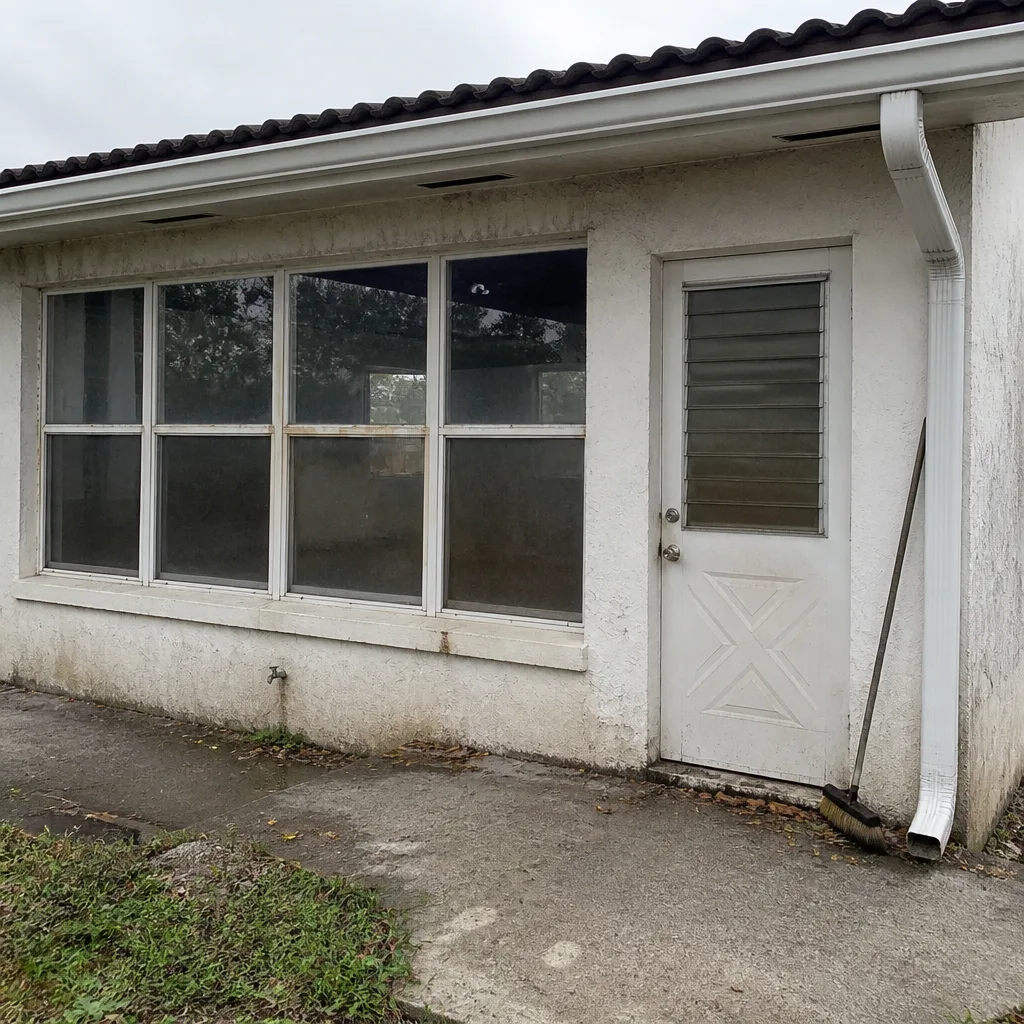 Before
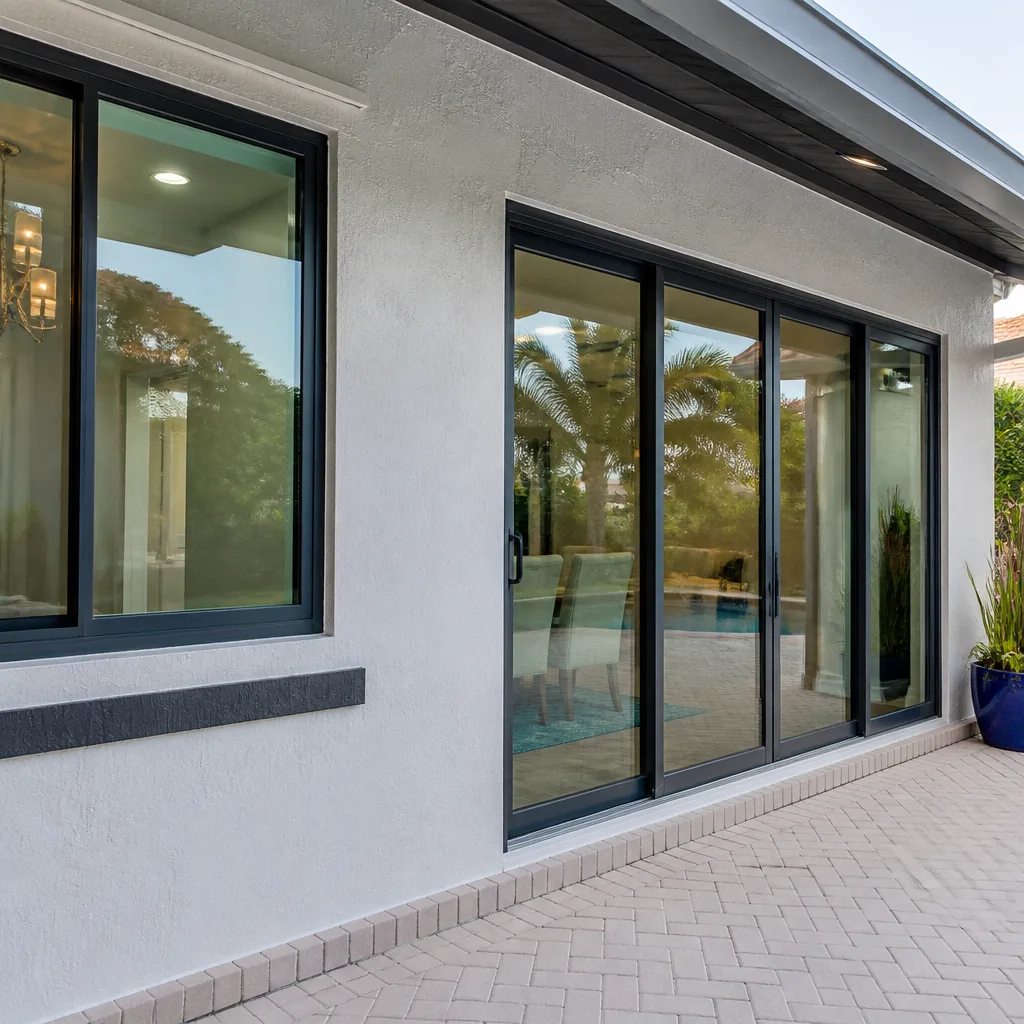 After
AfterSeasonal Windows & Doors Care for Boynton Beach: Year-Round Homeowner’s Guide
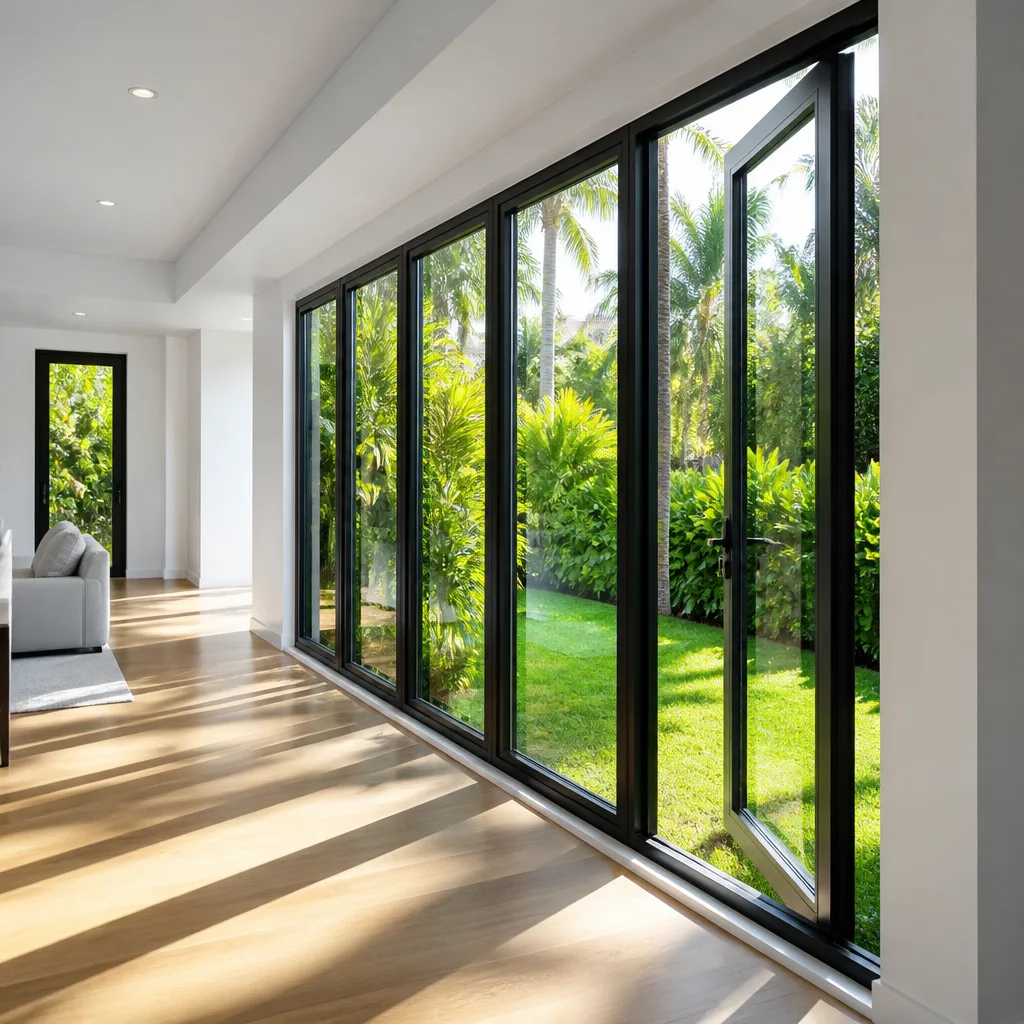
Between June 1 and November 30, Boynton Beach averages 47 inches of the city’s annual 63-inch rainfall total. That concentration does not merely test your windows and doors; it exploits every weakness created during the dry season’s UV bombardment. Most seasonal maintenance guides recycle four-season advice from climates with frost and deciduous trees. Boynton Beach does not have four seasons. It has two aggressive ones: a wet hurricane season and a dry UV-intensive season. A care calendar built on that reality looks entirely different. This guide covers what to inspect, when to inspect it, and what the alternating wet-dry cycle does to specific materials in this market.
Quick Answer
Homeowners in Boynton Beach should maintain windows and doors on a two-season schedule: pre-hurricane hardware and sealant checks in April-May, mid-wet-season weep drainage and condensation monitoring in August, post-storm documented inspection after any named storm, and dry-season UV damage assessment of glazing compounds and weather seals in December-February. For a complete task list, see our Window Installation Maintenance Checklist for Boynton Beach Homeowners. Impact-rated door thresholds require particular attention, as they fail more often than glazing in this climate’s alternating saturation and desiccation.
Table of Contents
- Pre-Hurricane Season Checklist: April-May
- Mid-Wet-Season Inspection: August
- Post-Storm Inspection Protocol
- Dry-Season UV Tasks: December-February
- Impact-Rated Door Threshold Maintenance
- Product-Specific Care by Manufacturer Line
- Common Mistakes to Avoid
- When to Call a Professional
- Frequently Asked Questions
 Before
 After
AfterPre-Hurricane Season Checklist: April-May
The dry season ends in Boynton Beach with frame materials at their most contracted and sealants at their most brittle. April and May are the window to address what the winter sun has degraded before the first tropical wave arrives.
Hardware Torque Checks
Impact-rated windows and doors in Boynton Beach rely on multi-point locking systems that see constant thermal cycling. We check torque values on hinge screws, locking bolts, and operator arms at 80% of manufacturer spec. Overtorquing strips threads in aluminum frames; undertorquing allows racking under wind load. For window installation in Boynton Beach completed by our team, the measured survey includes baseline torque readings the homeowner can reference.
Sealant Probe Points
Silicone and polyurethane sealants degrade predictably in this market. Probe these five points with a plastic spatula:
- Head jamb to framing interface - the most UV-exposed horizontal surface
- Sill pan to frame corners - where standing water pools during summer thunderstorms
- Meeting stiles on double-hung and sliding units - high friction, high flex
- Fixed panel to frame on picture windows - no operable hardware means problems hide longer
- Perimeter of any retrofitted impact film or aftermarket coating
Probe gently. If the sealant lifts cleanly or crumbles, it has reached end of service life. In Boynton Beach, we typically see 5-7 year replacement cycles on exterior sealants, with south and west elevations degrading faster.
Storm Panel Compatibility Tests
If your home uses removable storm panels, test-fit one panel per opening type before June 1. Track systems accumulate corrosion and insect debris. We have found mud dauber nests blocking tracks in Boynton Beach homes that appeared clean from the ground. Test-fit verifies:
- Track alignment after a year of thermal expansion
- Fastener thread condition in permanently mounted anchors
- Panel label legibility for insurance documentation
Document the test with dated photographs. Insurance adjusters in Palm Beach County increasingly request evidence of maintained storm protection readiness.
What to Record
Create a single dated document: torque readings, sealant condition by location, storm panel fit status, and any anomalies. This becomes your baseline for post-storm comparison. At Sightline, every window replacement in Boynton Beach leaves the customer a measured survey that serves this exact purpose.
Mid-Wet-Season Inspection: August
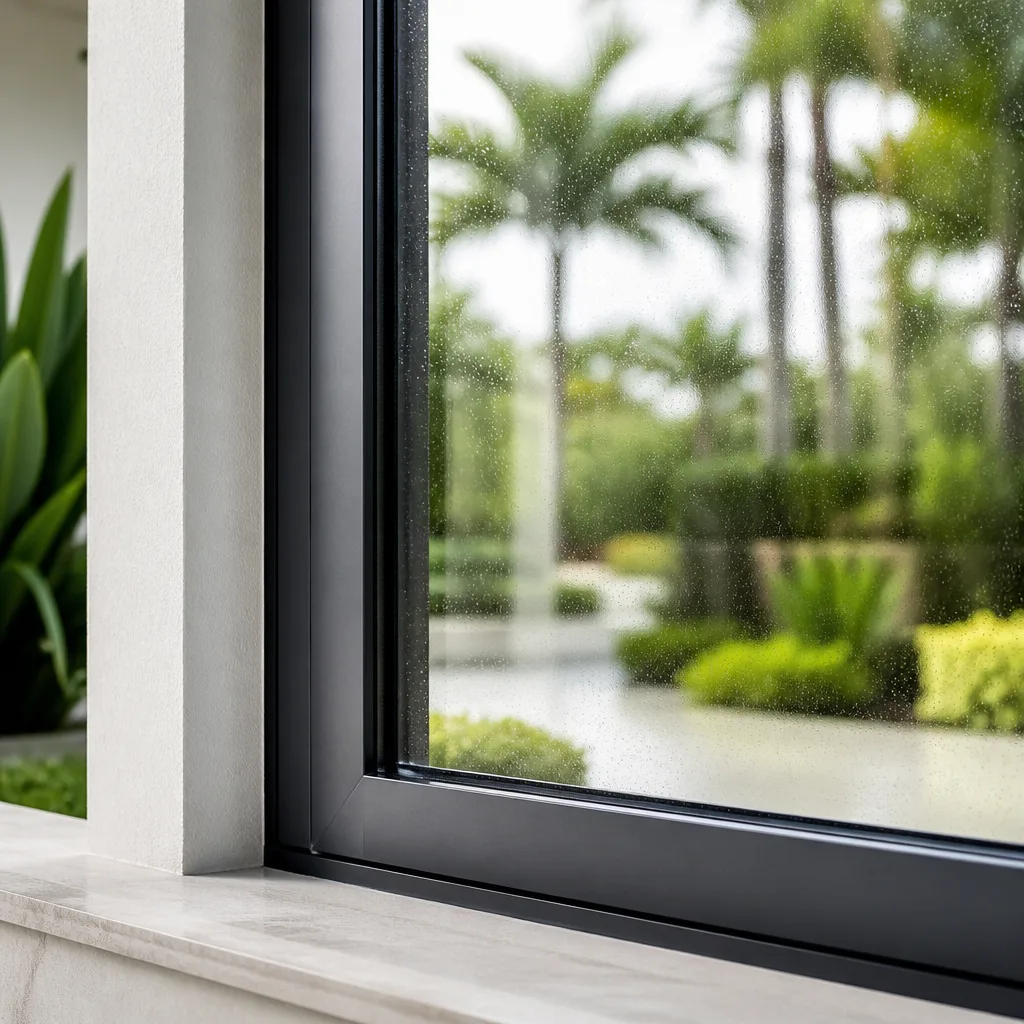
August in Boynton Beach brings the year’s highest sustained humidity, often 85% or above for weeks. This is when concealed problems become visible, and when proactive inspection prevents water intrusion damage that exceeds the cost of the window or door itself.
Weep Hole Drainage Function
Weep holes in vinyl and aluminum frames are designed to drain water that enters the glazing pocket. In Boynton Beach’s wet season, they work continuously. Inspect without dismantling hardware:
- Locate weep holes on the exterior sill - typically two per sash on vinyl units, continuous slot on some aluminum lines
- Run a piece of thin wire or compressed air through each hole; drainage should be immediate and unobstructed
- Check for biological growth - algae and mold indicate standing water in the frame cavity
- Verify that exterior sill slope still pitches outward; settling or paint buildup can reverse drainage
Blocked weep holes in August will produce frame condensation that homeowners mistake for seal failure. The distinction matters. Seal failure between glass lites requires glass replacement. Weep blockage requires cleaning. Misdiagnosis costs hundreds.
Frame Condensation Pattern Analysis
Condensation location tells the story:
- Interior surface condensation: high interior humidity, normal unit - address with ventilation or dehumidification
- Exterior surface condensation: high exterior humidity with efficient low-E coating - generally benign
- Between-lite condensation: seal failure - requires glass replacement
- Condensation at frame corners only: weep drainage or thermal break failure - inspect weeps first
In Boynton Beach’s August humidity, we see more false seal-failure calls than actual seal failures. The measured survey from your original installation documents frame U-factor and SHGC ratings that help interpret what you’re seeing.
Operator and Track Lubrication
Never lubricate during peak humidity without first cleaning. We remove old lubricant with solvent, allow 24-hour dry time, then apply silicone-based lubricant to operators and tracks. Petroleum-based products attract grit and degrade in UV. In our experience with CWS and ECO Window Systems products in this market, silicone lubricant extends operator service life by 40% compared to petroleum alternatives.
Post-Storm Inspection Protocol
After any named storm passes through Boynton Beach, a documented inspection protects your insurance position and identifies damage that worsens if deferred. This protocol applies whether or not you evacuated, whether or not visible damage occurred.
Step-by-Step Documentation
- Photograph every opening before touching anything. Wide shot showing the opening in wall context, medium shot of frame perimeter, close-up of hardware and sealant condition. Date-stamp or use a newspaper in frame for contemporaneous evidence.
- Operate every window and door once. Note binding, unusual resistance, or new noise. Do not force. Binding after wind load may indicate frame racking or fastener withdrawal.
- Inspect interior drywall at all jambs. Water staining that appears 24-72 hours after the storm indicates sealant or flashing failure, not necessarily glass failure.
- Check impact-rated units for glazing pocket water. Small amounts are normal during wind-driven rain; persistent water 48 hours after the storm indicates weep blockage or frame breach.
- Measure and record any crack or chip dimensions. Insurance documentation requires specific dimensions, not “small crack.”
- Test all locking hardware. Wind load can deform keeper plates or shift multi-point alignment.
What to File and When
Compile photographs, measurements, and operational notes into a single dated file before contacting your insurer. In Boynton Beach, we have seen claims delayed or reduced when homeowners called first and documented second. The Haven Standard requires our technicians to provide a documented photo record on every visit; we apply the same standard to post-storm inspections we perform for customers.
If impact-rated products show no visible damage but operators bind or seals appear compromised, request a professional inspection. Some frame deformation is not visible to the untrained eye but measurable with a sightline gauge. Door installation in Boynton Beach under impact code requires specific post-storm verification that standard products do not.
Dry-Season UV Tasks: December-February

December through February in Boynton Beach delivers the year’s most intense UV exposure per day. The sun angle is lower, southern and western exposures receive more direct radiation, and lower humidity means less atmospheric filtering. This is when glazing compounds, weather seals, and exterior coatings degrade most rapidly.
Glazing Compound Inspection
Glazing compounds (the putty or tape securing glass to frame in some product types) harden and crack under UV. Inspect by pressing with a fingernail:
- Soft, resilient compound: serviceable
- Firm but uncracked: monitor annually
- Hard, cracked, or separating from glass or frame: replacement required
In Boynton Beach, south-facing glazing compounds typically require replacement at 8-12 years, west-facing at 10-14 years. North-facing units often exceed 15 years. These ranges assume no aftermarket UV film; film can accelerate edge degradation by trapping heat.
Weather Seal Assessment
Compression seals on operable units lose resilience in UV. Test by closing the sash fully and attempting to slide a dollar bill between sash and frame at multiple points. Resistance should be consistent. Easy passage indicates seal compression set - permanent deformation that reduces both air and water infiltration resistance.
For sliding and patio doors, check pile weatherstrip at the sill interface. UV degradation causes pile to mat and lose loft, creating a direct water path during summer storms. Replacement pile is inexpensive; water damage to subflooring is not.
Coating and Finish Maintenance
Anodized aluminum frames in Boynton Beach’s dry season show chalking - a white powder indicating surface oxidation. This is cosmetic on thick anodized coatings, structural on thin ones. Powder-coated frames may show color shift, particularly on dark colors. Document with photographs for warranty purposes; most coating warranties require documented progression, not single-point evidence.
Clean frames with mild detergent and soft cloth only. Abrasive cleaners or pressure washing at close range strip protective finishes and void warranties on PGT, CGI, and ES Windows products.
Impact-Rated Door Threshold Maintenance
In Boynton Beach’s alternating wet-dry cycle, impact-rated door thresholds fail more often than the impact glazing they protect. This is the most undermaintained component we encounter, and the most consequential when it fails.
Why Thresholds Fail First
Thresholds sit at the intersection of every stressor: standing water in summer, UV exposure year-round, foot traffic, and thermal cycling across the interior-exterior boundary. The composite materials used for impact-rated thresholds (typically reinforced PVC or aluminum with thermal break) expand and contract at different rates than the door frame and the surrounding structure. Sealant at these interfaces fatigues faster than at any other point.
Inspection Points
- Threshold-to-frame sealant: probe with plastic tool; replace if lifted or cracked
- Threshold surface flatness: place a straightedge across the width; gaps indicate structural settlement or material deformation
- Drainage channels: clear debris; verify water flows to exterior, not interior
- Adjustable riser screws: check for corrosion; replace stainless hardware if pitted
- Interface with flooring: gaps here allow subfloor moisture intrusion that thresholds are not designed to block
Material-Specific Notes
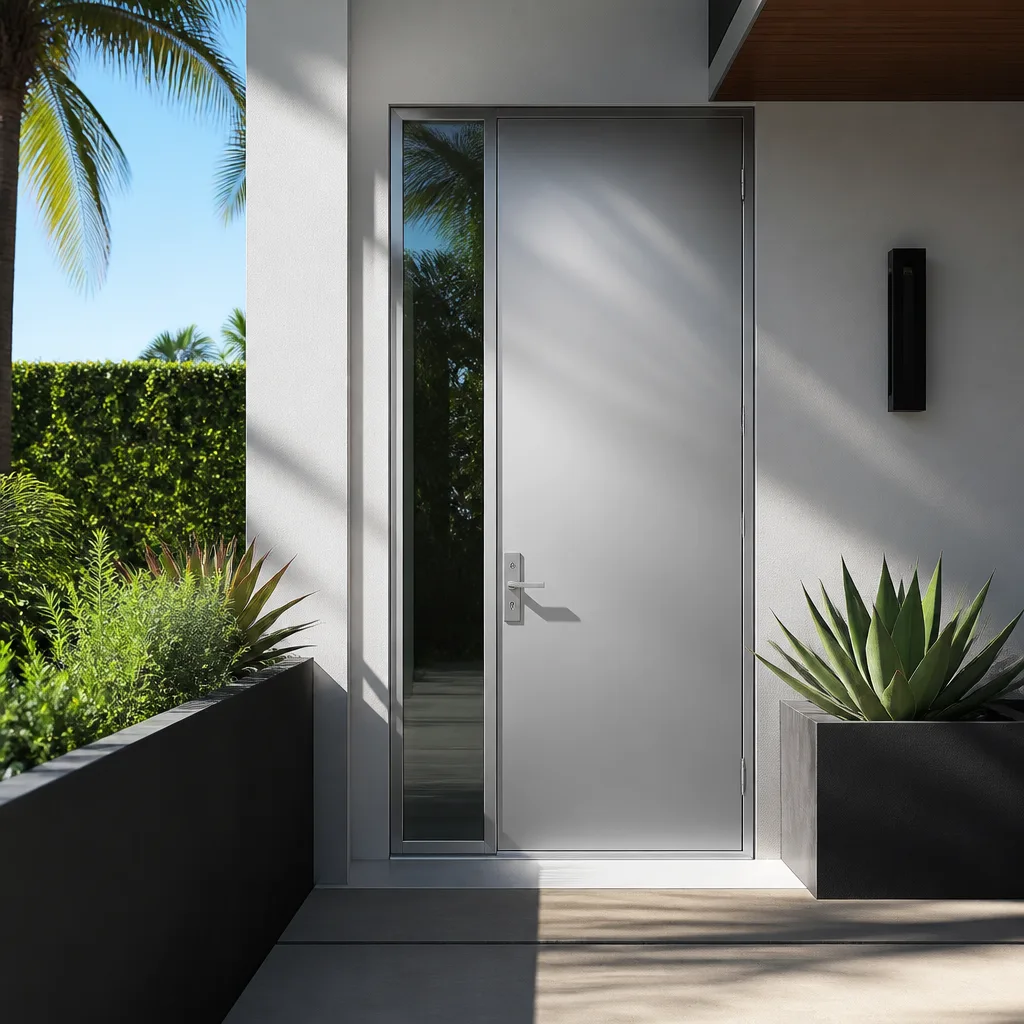
Therma-Tru fiberglass entry systems with adjustable thresholds require seasonal height adjustment as the structure settles and swells. We set these to manufacturer spec in the dry season, knowing they will compress slightly when summer humidity expands the structure. CWS and ECO Window Systems sliding door thresholds use different drainage geometries; know which you have before cleaning.
Threshold replacement on impact-rated doors in Boynton Beach requires permits, codes & inspections in FL verification. Post-Hurricane Andrew code changes mean not all replacement thresholds meet current impact standards even if dimensionally identical. Verify product approval before purchase.
Product-Specific Care by Manufacturer Line
Sightline specifies from eight manufacturer lines by what the opening requires, not by what is in stock. Maintenance differs by material and design.
PGT and CGI Impact-Rated Products
Both lines use heavy-gauge aluminum frames with laminated impact glass. Annual maintenance focuses on:
- Drainage weep maintenance - critical, as these frames are deeper and hold more water if blocked
- Multi-point lock alignment - wind load can shift keeper plates on these high-mass doors
- Laminate edge inspection - the interlayer exposed at glass edges can delaminate if water sits against it
PGT’s WinGuard and CGI’s Estate Collections have different hardware geometries; use manufacturer-specific replacement parts.
CWS and ECO Window Systems Vinyl Lines
Vinyl frames expand and contract more than aluminum. In Boynton Beach’s temperature swings, we check for:
- Sash-to-frame clearance consistency - binding in summer indicates inadequate installation clearance
- Welded corner integrity - vinyl welds can stress-crack under thermal cycling
- Interior glazing bead retention - vinyl beads lose elasticity faster than aluminum stops
Both CWS and ECO Window Systems specify silicone lubricant for operators; petroleum products swell vinyl.
ES Windows and ViewLux Custom and Geometric Units
Custom shapes and large-format units concentrate stress at specific points. Document any new noise or operational change immediately; geometric frames distribute load differently than rectangles, and early intervention prevents cascade failure.
Mr-Glass Specialty Glazing
Specialty coatings and tinted products require pH-neutral cleaners only. Abrasive or alkaline cleaners strip coatings permanently.
Common Mistakes to Avoid
- Pressure washing frames and seals. High-pressure water drives past weatherstripping and degrades sealant adhesion. We see this cause more water intrusion in Boynton Beach than any other homeowner action.
- Applying car wax to aluminum frames. Petroleum-based waxes attract dirt and can interfere with anodized surface chemistry. Use manufacturer-recommended protectants only.
- Ignoring weep holes until water appears indoors. By the time interior signs show, frame cavities have held water for weeks. Inspect weeps proactively in August, not reactively in September.
- Assuming impact-rated means maintenance-free. Impact ratings test single-event performance. They do not account for seal fatigue, hardware wear, or threshold degradation from normal use.
- Using generic replacement parts. Hardware that fits is not hardware that performs. We have measured 3/16-inch keeper plate misalignment from “universal” replacement bolts that appeared correct.
- Documenting damage without scale reference. Insurance claims require dimensional evidence. Photograph cracks with a ruler or coin in frame, not just the crack.
- Deferring post-storm inspection until “something seems wrong.” Latent damage from wind load often manifests as premature failure years later, when insurance connection is impossible to establish.
When to Call a Professional

Call for inspection when: impact-rated units show operational change after any wind event; condensation appears between glass lites; threshold drainage reverses toward interior; multi-point locks no longer engage all points simultaneously; or sealant probes reveal widespread degradation rather than isolated spots. Frame racking, fastener withdrawal, and thermal break failure require measurement tools most homeowners do not maintain.
Sightline Windows & Doors Boynton Beach offers free estimates in Boynton Beach and publishes more guides & resources for local homeowners. Every inspection includes the measured survey you keep, with written findings and photographic documentation. Call (561) 421-3844 to schedule. If you have a competitor’s written estimate, we provide a free second opinion under Haven Clause 1 - the written price before any work starts, always.
Frequently Asked Questions
Inspect twice yearly: April-May before hurricane season, and August during peak wet season, with additional post-storm inspection after any named storm. This two-season schedule addresses the specific degradation patterns of Boynton Beach’s climate better than generic quarterly or annual advice.
Professional inspection and basic maintenance typically ranges $150-$400 for a single-family home, depending on opening count and access conditions. Sealant replacement adds $8-$15 per linear foot; hardware adjustment and lubrication are usually included in the base inspection. Call (561) 421-3844 for an exact quote - estimates are free, and we review competitor written estimates at no charge.
Basic cleaning, weep hole clearing, and operational testing are appropriate homeowner tasks. Hardware torque verification, sealant replacement, and post-storm structural assessment require training and tools. Impact-rated products are safety systems; improper maintenance can void both product approval and insurance coverage.
Inter-pane fog that appears in summer and clears in winter indicates a failing edge seal, not interior humidity. The summer temperature differential between glass surfaces drives moisture through the compromised seal faster than winter’s smaller differential. The seal requires replacement; dehumidification will not resolve it.
Weatherstripping replacement on existing operable units does not require permit in Palm Beach County. Threshold replacement on impact-rated doors may require permit verification if the replacement product differs from the originally installed unit. We pull all required permits as standard practice on Sightline Windows & Doors Boynton Beach home service calls.
Quality exterior sealant lasts 5-7 years on south and west elevations, 7-10 years on north and east, assuming proper initial application. UV exposure, not rainfall, is the primary degradation driver in this market. Inspect annually; replace proactively before the wet season reveals failure.
The Bottom Line
Boynton Beach’s two-season reality - wet hurricane season and dry UV-intensive season - demands a maintenance calendar built around that rhythm, not imported from four-season climates. Pre-hurricane hardware and sealant checks in spring, mid-wet-season weep and condensation monitoring in peak summer, documented post-storm inspection, and dry-season UV damage assessment cover what this climate actually does to windows and doors. Impact-rated door thresholds require particular vigilance; they fail more often than the glazing they protect. Document everything. Measure what you can. And when inspection reveals beyond what homeowner maintenance addresses, work with a provider who puts the findings in writing before proposing solutions.
Written by Sonia Raman, Owner at Sightline Windows & Doors Boynton Beach, serving Boynton Beach since 2012.